

Upgrade Your Space: Essential Tips for Choosing the Right Bathroom Shower Fixtures
Your shower is more than just a place to get clean; it's a sanctuary, a space to relax and rejuvenate. And the right bathroom shower fixtures can make all the difference in creating a truly enjoyable experience. But with so many options out there, how do you pick the perfect fixtures for your needs and style? This guide will walk you through the important steps of shopping for shower fixtures, helping you make smart choices and build the shower you've always wanted.
Key Takeaways
- Figure out how much you can spend on your new bathroom shower fixtures before you start shopping. This helps narrow down your choices and stops you from spending too much.
- Think about how you use your shower daily and what features would make it better for you. Consider things like water pressure and if you prefer a strong spray or a gentle rain.
- When picking out shower heads and faucets, look at the spray patterns, finishes, and how they'll work with your home's water pressure.
- Durable materials like solid brass or stainless steel are good choices for bathroom shower fixtures because they hold up well against moisture and daily use.
- Don't forget to match the style of your new bathroom shower fixtures to the rest of your bathroom's look, and consider getting advice from a professional if you're unsure.
Understanding Your Bathroom Shower Fixtures Options
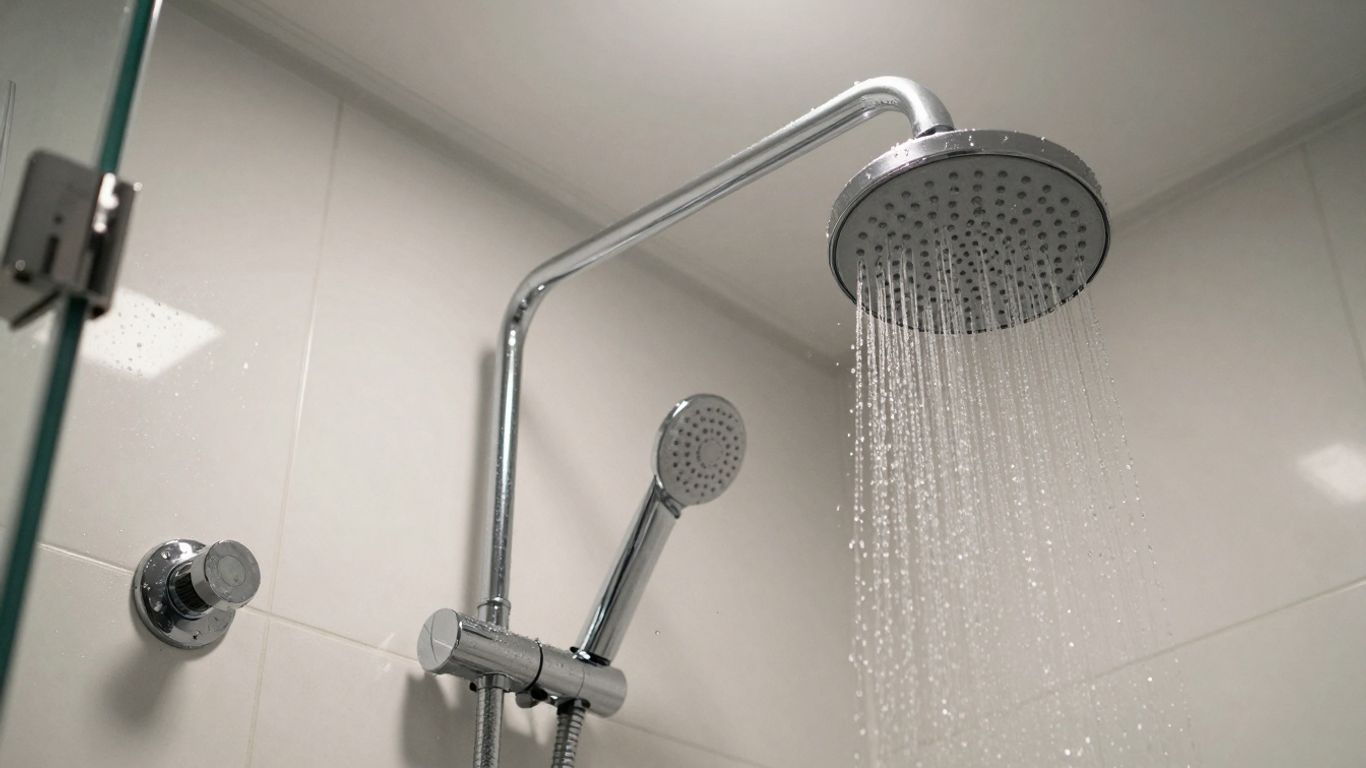
So, you're looking to upgrade your shower? That's a great idea! It's one of the most used parts of the bathroom, and getting the fixtures right can really change how you feel about your whole space. It’s not just about picking something that looks nice; it’s about figuring out what works best for you day in and day out. Let's break down the main things to think about.
Types of Shower Systems Available
When you start looking, you'll see there are a few main ways shower systems are put together. You've got complete kits, which are pretty straightforward – everything you need is in one box. Then there are modular systems where you can pick and choose parts, like the walls and the base, to build something a bit more custom. And for the ultimate personalization, there are fully custom solutions where you design everything from scratch. The system you choose will depend a lot on your bathroom's layout, your budget, and how much you want to change things.
Here's a quick look at some common shower types:
- Electric Showers: Heat water on demand, good if your home's hot water system isn't up to scratch.
- Mixer Showers: Blend hot and cold water from your home's supply. Very common.
- Power Showers: Use a pump to boost water pressure, great for a stronger spray.
- Digital/Smart Showers: High-tech options with remote controls and precise temperature settings.
- Rainfall Showers: Designed to mimic the feel of rain, usually a wide, flat head.
- Walk-in Showers: Easy to get into, often with a low or no threshold.
- Shower-Tub Combinations: The classic setup, offering both a bath and a shower.
Personalizing Your Shower Experience
Once you have an idea of the system type, it's time to think about making it yours. This is where you really get to tailor things to your lifestyle. Think about how you use your shower. Do you like a quick morning rinse or a long, relaxing soak? Do you need something easy to clean, or are you okay with a bit more upkeep for a certain look?
- Shower Heads: What kind of spray do you like? Gentle rain, a strong massage, or something in between? You can get heads with multiple settings.
- Controls: Do you want simple knobs or a digital panel that lets you set the exact temperature before you even step in?
- Accessories: Things like built-in shelves for your shampoo, or even a seat, can make a big difference in comfort and convenience.
Making your shower personal isn't just about looks; it's about how it fits into your daily routine and makes you feel. A well-thought-out shower can be a little slice of heaven right in your own home.
Choosing Wall Styles and Materials
The walls of your shower are a big part of the overall look and feel. You've got a few main options here, each with its own pros and cons. You can go with tiles, which offer endless design possibilities but can require more cleaning, especially the grout. Then there are acrylic walls, which are super low-maintenance, resistant to mold, and give a clean, smooth look. Glass enclosures are another option, making the space feel more open and modern, especially in smaller bathrooms. When you're picking, think about how much time you want to spend cleaning versus how important a specific aesthetic is to you. You can explore different shower types to see how various wall materials are often used.
Selecting the Perfect Shower Head and Faucet
Picking out the right shower head and faucet might seem straightforward, but there's actually a lot to think about if you want to get it just right. These aren't just functional pieces; they really set the tone for your whole shower experience and the look of your bathroom. Let's break down what to consider.
Key Considerations for Shower Heads
The shower head is probably the star of the show. It's what you interact with most directly, so getting one you like is important. Think about how you like to shower. Do you prefer a gentle, widespread rain-like spray to relax under, or something more focused and powerful to really rinse off? Many shower heads offer multiple spray patterns, which is a nice feature if you like variety. You can usually switch between them with a simple lever or button.
- Spray Patterns: Look for options like "massage," "rain," "mist," or "jet." Some heads have a "pause" feature, which is handy for saving water while you lather up.
- Water Pressure: If your home has low water pressure, you'll want a shower head designed to maximize the force. Look for ones that mention "high-pressure" or "low-flow" designs that still give a good experience.
- Mounting Style: Most are fixed, but you can also get adjustable shower heads on a slide bar (great for different heights) or even handheld ones, which we'll touch on more later.
Don't underestimate the impact of a good shower head. It can turn a basic shower into a much more enjoyable part of your day. It's worth spending a bit of time finding one that feels right for you.
Choosing the Right Faucet Type and Finish
Next up is the faucet, which controls the water temperature and flow. You've got a couple of main choices here:
- Single-Handle Faucets: These are super common and easy to use. One handle adjusts both the temperature and the water flow. They're simple and often look quite modern.
- Dual-Handle Faucets: These have separate handles for hot and cold water. They give you a bit more precise control over the temperature and often have a more traditional look.
Beyond the type, the finish is a big deal for matching your bathroom's style. Common finishes include:
- Chrome: Shiny, durable, and easy to clean. It goes with almost anything.
- Brushed Nickel: Has a softer, matte look that hides water spots better than chrome. It's a popular choice for a more relaxed feel.
- Matte Black: A bold, modern option that makes a statement.
- Oil-Rubbed Bronze: Offers a darker, vintage look.
The finish you choose should ideally match or complement your other bathroom hardware, like your towel bars and vanity faucet.
Understanding Water Pressure and Flow
Water pressure is a big factor in how your shower performs. It's measured in PSI (pounds per square inch). Most homes have between 40-60 PSI, but if yours is significantly lower, it can make even the best shower head feel weak. If your pressure is too high (over 80 PSI), it can actually damage your plumbing over time and might require a pressure-reducing valve.
When you're looking at fixtures, pay attention to the flow rate, usually measured in gallons per minute (GPM). Since 1992, federal regulations have limited shower heads to a maximum of 2.5 GPM. However, many "low-flow" options are available that use even less water (like 1.8 or 2.0 GPM) without sacrificing performance, especially if you have good water pressure. Some advanced valves, like thermostatic valves, are also great because they maintain a consistent temperature, preventing sudden blasts of hot or cold water, which is both a comfort and a safety feature.
Enhancing Your Shower with Additional Fixtures
So, you've picked out your main shower head and faucet – nice! But don't stop there. There are a bunch of other bits and pieces that can really make your shower feel like a personal spa or just make your daily routine a lot easier. Think about what you actually do in the shower. Do you just need to rinse off quickly, or do you like to linger and relax?
Exploring Handheld Shower Heads and Body Jets
Handheld shower heads are super handy. They're great for rinsing off shampoo, cleaning the shower walls, or even giving a quick bath to a pet. They usually connect to the main water line and come with a hose and a bracket to hold them when not in use. You can get them with different spray settings, too.
Then there are body jets. These are small nozzles installed directly into the shower walls. They spray water from different angles, giving you a massage-like experience. You can really customize the pressure and pattern of these jets to target specific areas. It's a bit of a splurge, but if you're going for that luxury spa feel, they're worth considering.
The Role of Shower Controls and Valves
Beyond just turning the water on and off, shower controls can do a lot more. You've got your basic single-handle or dual-handle faucets, which are pretty standard. But then there are more advanced options.
- Thermostatic Valves: These are a game-changer. They keep the water temperature steady, so you won't get that sudden blast of cold water when someone flushes a toilet. You set your preferred temperature, and it stays there.
- Digital Controls: For the tech-savvy, digital controls let you set precise temperatures and flow rates, sometimes even saving your favorite settings. You might even be able to control them with an app!
- Diverter Valves: If you plan on having more than one shower head or body jets, you'll need a diverter valve to switch the water flow between them.
Incorporating Built-in Shelving and Seating
Nobody likes a cluttered shower. Built-in shelving or niches are perfect for keeping your shampoo, soap, and other necessities organized and within easy reach. They look much cleaner than those hanging caddies.
And what about seating? A built-in bench or a fold-down seat can add a lot of comfort. It's great for just taking a moment to relax, or it can be really helpful for people who have trouble standing for long periods. It's a practical addition that also adds a touch of luxury.
Think about how you use your shower space day-to-day. Small additions like a well-placed shelf or a comfortable seat can make a big difference in how much you enjoy your shower.
Prioritizing Quality and Durability in Fixtures
When you're picking out shower fixtures, it's easy to get caught up in how they look. But honestly, what's more important is how well they're made and how long they'll last. Your shower is a wet, steamy place, day in and day out. That means the materials need to hold up. Choosing fixtures built with quality in mind means fewer headaches down the road.
Materials That Withstand Moisture and Use
Think about what your shower fixtures are up against. Constant water, soap scum, and temperature changes can really wear things down if they aren't made right. You'll want to look for solid materials that don't corrode or pit easily. Brass and stainless steel are usually good bets for this. They're tough and resist rust, which is a big plus in a bathroom environment. Cheaper metals might look okay at first, but they can start to flake or corrode pretty quickly.
Here's a quick rundown of what to look for:
- Solid Brass: Heavy, durable, and resistant to corrosion. Often used in higher-end fixtures.
- Stainless Steel: Another strong option that holds up well against moisture and doesn't rust.
- Plated Finishes: While the base metal matters, the finish is also key. Look for thick plating that won't chip.
- Ceramic Disc Valves: Inside the faucet, these are much more durable than older rubber washer types and are less likely to leak.
The Importance of Thermostatic Valves
Okay, so thermostatic valves might sound a bit technical, but they're actually a really smart feature for any shower. Basically, they help keep the water temperature steady. You know how sometimes you're in the shower and someone flushes a toilet, and the water suddenly gets super hot or cold? A thermostatic valve helps prevent that sudden shock. It mixes hot and cold water to a set temperature and keeps it there, even if the water pressure changes elsewhere in the house. This is great for comfort and also a safety feature, especially if you have kids or older folks using the shower. It stops you from getting scalded by unexpected hot water surges. You can find these types of valves at places that specialize in bathroom fixtures.
Investing in a good valve system is like buying insurance for your comfort and safety. It might cost a little more upfront, but the peace of mind and consistent performance are worth it.
Investing in Long-Lasting Bathroom Shower Fixtures
When you're shopping, don't just grab the first thing you see. Take a moment to check out the warranty. A longer warranty, especially a lifetime one, is usually a good sign that the manufacturer stands behind their product. It shows they believe it will last. Also, read reviews if you can. See what other people are saying about how the fixtures hold up over time. Sometimes, spending a bit more on a well-known brand or a fixture with a solid reputation can save you money and hassle in the long run. Think of it as buying a fixture that's built to be part of your bathroom for years, not just a season. It's about getting good value, not just a low price tag.
Balancing Style and Functionality
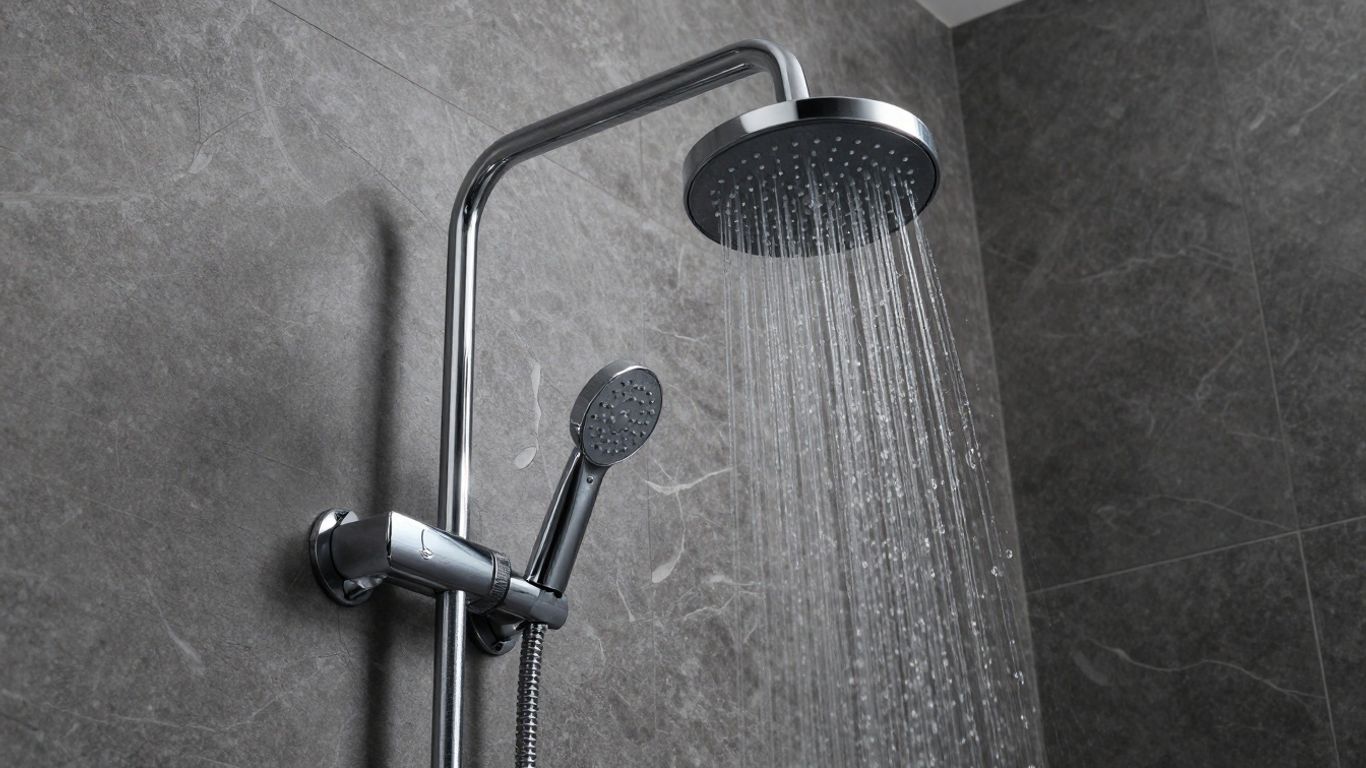
When you're picking out shower fixtures, it's easy to get caught up in how cool something looks. But let's be real, a shower needs to work well, too. You want a space that feels good to use every single day, not just one that looks pretty in pictures. It’s all about finding that sweet spot where good looks meet practical use.
Matching Fixtures to Your Bathroom's Aesthetic
Think about the overall vibe of your bathroom. Is it modern and sleek, or more traditional and cozy? Your shower fixtures should fit right in. For a modern look, you might go for clean lines, simple shapes, and finishes like brushed nickel or matte black. If your bathroom leans classic, maybe polished chrome or a warm oil-rubbed bronze would work better. It’s not just about the shower head, but also the faucet handles, the valve trim, and even the shower door hardware. Making these elements work together ties the whole room together.
Considering Accessibility and Mobility Needs
This is a big one that sometimes gets overlooked. If you or someone in your household has mobility challenges, or even just as you plan for the future, accessibility is key. Think about things like:
- Shower Head Height: Can it be easily adjusted? A slide bar is a great way to let people of different heights use the shower comfortably.
- Seating: Having a built-in bench or a fold-down seat can make a huge difference for comfort and safety.
- Grab Bars: These don't have to look clinical. Many stylish options are available that blend in with your design.
- Curbless Showers: Removing the lip at the entrance makes it super easy to get in and out, and it can also make a small bathroom feel bigger.
The Impact of Fixture Design on Your Space
Sometimes, the little details really do matter. The shape of your shower head, the way your faucet handle turns, or even the design of your drain cover can affect how you feel in the space. A really wide, rain-style shower head can make you feel like you're in a spa, while a powerful, targeted spray can be great for rinsing off quickly. Even something like the placement of your controls matters – imagine reaching in to turn on the water without getting sprayed! Thinking through these small functional aspects can really change your daily shower experience for the better.
Functionality doesn't have to mean boring. You can find fixtures that are both easy to use and look great. It just takes a little planning to make sure everything works together for your specific needs and style preferences. Don't be afraid to mix and match a little, but always keep the practical use of the space in mind.
Budgeting and Professional Guidance for Fixtures
Figuring out the costs for new shower fixtures can feel a bit overwhelming, right? It's easy to get caught up in all the cool options, but having a clear budget from the start is super important. Think about it like planning a trip – you wouldn't just book flights without knowing how much you can spend on the whole vacation. The same goes for your bathroom. Shower fixtures can range from pretty affordable to seriously high-end, so setting a spending limit early on helps you focus on what you can actually get.
Establishing a Realistic Budget for Your Project
When you're looking at prices, remember that the cheapest option isn't always the best deal in the long run. Sometimes, spending a little more upfront on quality materials means you won't be dealing with leaks or replacements down the road. It's a good idea to set aside a bit extra, maybe 10-20%, for unexpected things that might pop up during the remodel. You know, like finding out the old pipes need replacing or deciding you really want that fancier shower head after all. This buffer can save you a lot of stress later on.
Here’s a quick breakdown of where your money might go:
- Shower Head: $50 - $500+
- Faucet/Valve Trim: $100 - $700+
- Handheld Shower/Body Jets: $75 - $400+ per item
- Controls: $150 - $1000+
- Installation: $200 - $1000+ (depending on complexity)
Don't forget to factor in the cost of installation. While some fixtures might seem like a DIY project, improper installation can lead to bigger problems and expenses later. Professional installation often guarantees a better, longer-lasting result.
When to Seek Expert Advice for Your Shower
Honestly, there are so many choices out there, it's totally normal to feel a bit lost. If you're staring at a wall of shower heads and have no clue where to start, or if you're dealing with tricky plumbing, it's probably time to call in a pro. A good plumber or a bathroom designer can really help you sort through the options. They know which fixtures work well together, what's compatible with your existing plumbing, and can help you avoid costly mistakes. Plus, they can often get you access to brands or deals you might not find on your own. It's worth it to get professional guidance to make sure you end up with a shower you love and that works perfectly.
Making Informed Decisions for Your Bathroom Shower Fixtures
So, you've got your budget, you know what you like, and you've talked to some experts. The final step is just putting it all together. Think about how you actually use your shower. Do you need something simple and straightforward, or are you looking for that spa-like experience with all the bells and whistles? Consider who else will be using the shower too – maybe kids or older family members have different needs. By balancing your budget, your personal style, and practical needs, you can pick fixtures that will make your bathroom a much nicer place to be. It’s all about making smart choices that you’ll be happy with every single day.
Wrapping It Up
So, picking out new shower stuff might seem like a big deal, and honestly, it can be. But by thinking about what you really need, what fits your budget, and what looks good in your bathroom, you can totally nail it. It’s not just about getting clean; it’s about making your bathroom a little spot of calm. Don't be afraid to ask for help if you're feeling lost. A good shower can really make a difference, and hey, it adds value to your place too. Happy upgrading!
Frequently Asked Questions
What are the main types of shower systems I can choose from?
You can find complete shower kits that have everything included, modular systems where you pick parts like walls and bases, or fully custom options where you design everything from scratch. Think about how much space you have, what you can spend, and what you'll need long-term when deciding.
How do I pick the right shower head for my needs?
Consider what kind of spray you like – maybe a gentle rain shower, a strong massage, or a focused stream. Some shower heads let you switch between different patterns. If your home has low water pressure, look for a shower head that helps make the most of the water it gets.
What's the difference between single-handle and dual-handle faucets?
A single-handle faucet lets you control both the water temperature and how much water comes out with just one handle. A dual-handle faucet has separate handles, one for hot water and one for cold, giving you separate control over each.
Why are thermostatic valves important in a shower?
Thermostatic valves are really helpful because they keep the water temperature steady. This means you won't get a sudden blast of cold or scalding hot water, making your shower safer and more comfortable. They also help save water by not letting it run while you adjust the temperature.
What materials are best for shower walls and fixtures to make them last?
For shower walls, materials like acrylic are easy to clean and resist mold. For fixtures like faucets and shower heads, solid brass or stainless steel are great choices because they don't rust or break down easily when they're wet all the time.
Should I get professional help when choosing shower fixtures?
If you're feeling overwhelmed by all the choices or aren't sure about how to install things, it's a good idea to ask for help. A plumber or a bathroom designer can guide you to the best options for your bathroom and make sure everything is put in correctly.

