

Transform Your Bathroom with a Sleek Ceiling Fed Shower System
Thinking about updating your bathroom? A ceiling fed shower system might be just the ticket. It's a pretty cool way to make your shower feel more like a spa. Instead of water coming from the wall, it comes from right above you, like rain. It really changes the whole feel of the room, making it a bit more relaxing. Plus, there are lots of ways to set them up, from hidden pipes to fancy digital controls, so you can really make it your own.
Key Takeaways
- A ceiling fed shower system brings a spa-like feel to your bathroom with water flowing from directly overhead.
- You can choose between systems where pipes are hidden (concealed) or visible (exposed), and explore different spray options like rain, mist, or jets.
- Look for quality materials like brass for durability, and understand how manufacturing affects the final product.
- Installation often needs a professional, especially for concealed or digital systems, and you'll need to check your home's water pressure compatibility.
- Advanced features like LED lighting, music, or water-saving tech can further customize your shower experience.
Embrace The Ceiling Fed Shower Experience
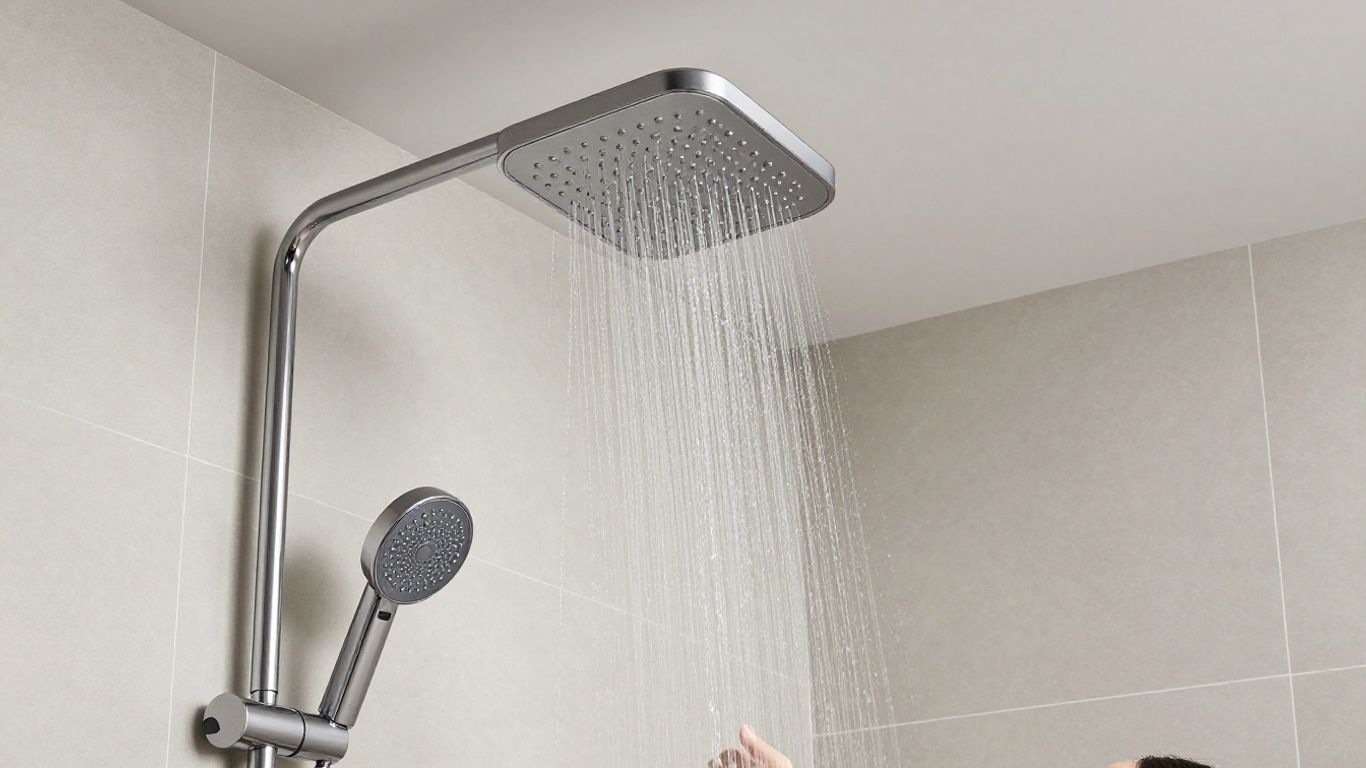
The Allure Of Overhead Water Flow
There's something really special about a shower that comes from directly above, like a gentle rain. It’s a different feeling than a wall-mounted showerhead. This overhead flow can make your bathroom feel more like a spa, a place to really relax and wash away the day's stress. It’s not just about getting clean; it’s about the whole experience.
Transforming Your Bathroom Into A Sanctuary
Imagine stepping into your bathroom and feeling like you've entered a private retreat. A ceiling-fed shower system is a big part of making that happen. It changes the whole look and feel of the room, making it a more peaceful and luxurious space. It’s about creating a personal escape right in your own home.
Integrating A Ceiling Fed Shower Seamlessly
Getting a ceiling-fed shower system installed might sound complicated, but it doesn't have to be. The key is planning. You'll want to think about where the showerhead will go and how it will connect to your plumbing. Sometimes, this means working with a professional to make sure everything fits perfectly and looks good, almost like it was always meant to be there. It’s about making the technology disappear so you can just enjoy the water.
Design And Configuration Options
When you're thinking about a ceiling-fed shower, the design and how it all fits together is a big part of the appeal. It's not just about water falling from above; it's about creating a whole vibe in your bathroom. You've got a couple of main ways to go with the system itself: concealed or exposed.
Concealed Versus Exposed System Aesthetics
Concealed systems are super clean. All the pipes and the main valve are hidden behind the wall. What you see are just the sleek controls and the showerhead itself. This gives your bathroom a really minimalist, uncluttered look. It's like the shower is just there, doing its thing without any fuss. On the other hand, exposed systems have all their parts visible on the wall. This can be great for certain styles, especially if you're going for a more industrial or vintage feel. Plus, if you ever need to fix something or do maintenance, it's usually a lot easier to get to.
- Concealed: Hides all plumbing for a clean, modern look.
- Exposed: All components are visible, offering easier access and a distinct design statement.
- Hybrid: Some systems might mix elements, with a visible control but a concealed valve.
The choice between concealed and exposed often comes down to your bathroom's existing structure and the overall aesthetic you're aiming for. Concealed systems offer a seamless integration, while exposed systems can become a focal point.
Exploring Multi-Function Spray Experiences
Modern ceiling-fed showers aren't just about a simple rain shower anymore. You can get systems that offer a whole spa-like experience right in your home. Think about different spray patterns: a gentle rainfall, a more targeted massage spray, or even a cascading waterfall effect. Some systems let you switch between these with a simple turn of a dial or a push of a button. It really changes how you feel when you shower, turning it from a chore into a moment of relaxation. You can find a lot of different shower types to fit these needs.
| Spray Type | Description |
|---|---|
| Rainfall | Wide, gentle flow like natural rain. |
| Massage | Pulsating, targeted streams for muscle relief. |
| Cascade | A sheet of water for a soothing effect. |
| Mist | Fine droplets for a refreshing, spa-like feel. |
The Rise Of Digital And Smart Controls
Technology is really changing the shower game. Forget just turning a knob; now you can have digital controls. These let you set the exact temperature you want, control the water flow, and even switch between different spray functions with precision. Some systems are going even further with smart features. You might be able to control your shower from an app on your phone before you even get out of bed, or set water usage goals. It's pretty wild how much control you can have over your shower experience these days. These smart features can help you save water and energy without sacrificing comfort.
Material Quality And Manufacturing Excellence
Brass: The Premium Choice For Durability
When you're thinking about a new shower system, especially one that's going to be feeding water from the ceiling, the material it's made from really matters. For a long time now, solid brass has been the go-to for high-quality shower fixtures. It's tough, it doesn't rust easily, and it just holds up over the years. This means your fancy new shower won't start looking worn out after just a couple of years. Think of it like buying a good quality tool; it costs a bit more upfront, but it lasts way longer.
Understanding Manufacturing Processes
It's not just about the raw material, though. How the parts are actually made plays a big role in how well your shower works and how long it lasts. Many good manufacturers use things like CNC machining, which is super precise, to get all the pieces just right. They also do a lot of testing. This can include:
- Sealing tests: Making sure there are no leaks.
- Pressure tests: Checking that the system can handle normal water pressure without issues.
- Salt spray experiments: This is a way to see how well the finish will hold up against corrosion over time.
Some places even use one-piece molding for certain parts, which can make them stronger and less likely to have weak spots.
Ensuring Long-Lasting Performance
To make sure your shower keeps working great, look for systems that use good quality internal parts, like ceramic disc cartridges. These are tested to handle hundreds of thousands of uses, which is a lot! You'll also want to consider the finish. Manufacturers offer all sorts of finishes these days, from classic chrome and brushed nickel to matte black and even fancy gold tones. The better the finish, the less likely it is to scratch, fade, or corrode. It's worth checking what kind of warranty is offered, too, as that's a good sign of the manufacturer's confidence in their product's durability.
Choosing a shower system isn't just about how it looks right now. It's about investing in something that will perform reliably for years to come. The materials and the way it's put together are just as important as the design itself.
Installation And Technical Considerations
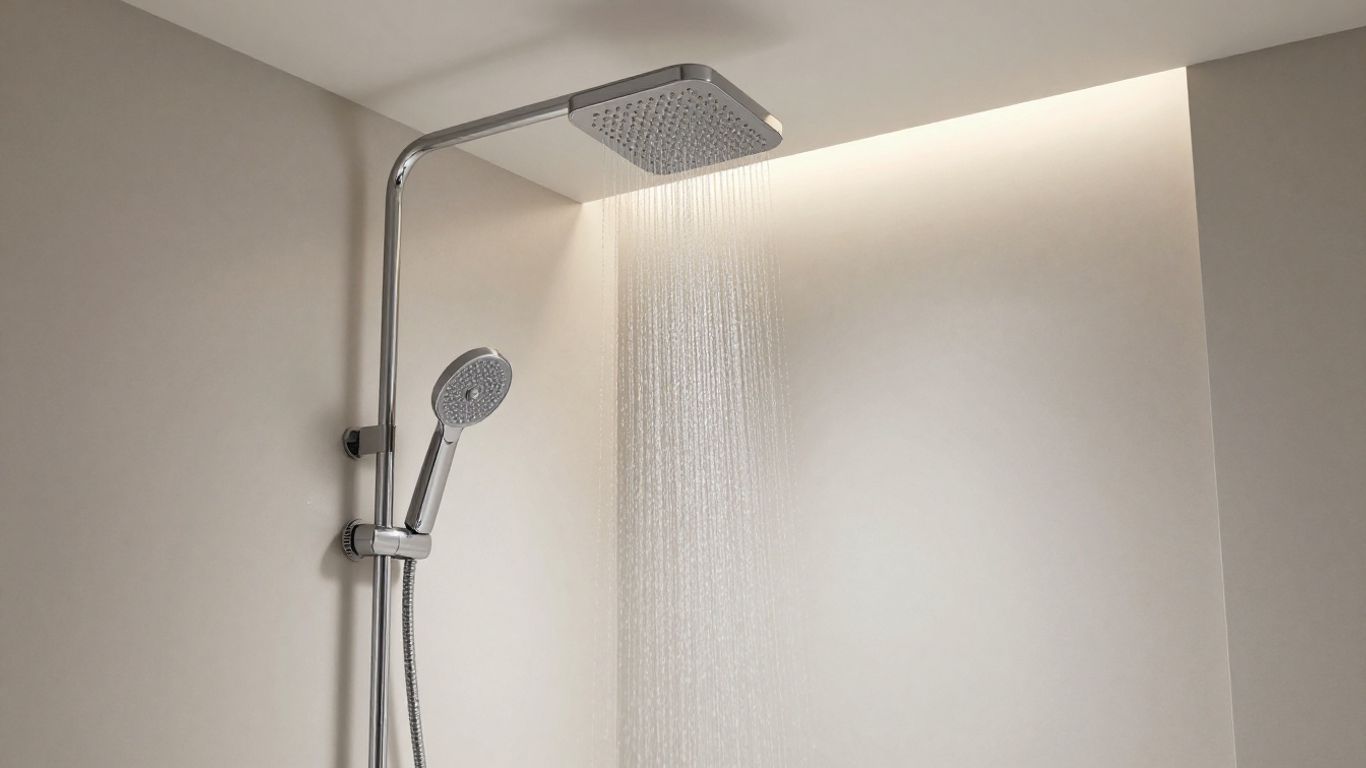
Putting in a ceiling-fed shower system isn't quite like swapping out your old showerhead. It's a bit more involved, and getting it right from the start saves a lot of headaches later on. Think of it as building the foundation for your new shower experience.
Professional Installation Requirements
For most ceiling-fed systems, especially those with concealed plumbing or multiple outlets, you'll want to bring in a pro. Trying to do this yourself without the right experience can lead to leaks, water damage, or just a system that doesn't work right. A qualified plumber knows how to properly route the pipes in the ceiling, connect everything to your home's water supply, and make sure it's all up to code. This is especially true for digital or smart shower controls, which often need electrical connections and careful setup.
- Concealed Systems: These require opening up walls or ceilings to hide the pipes and valves. A professional ensures these are correctly positioned and sealed.
- Digital Controls: These often need power and sometimes Wi-Fi connectivity, which a licensed electrician or specialized installer should handle.
- Multiple Outlets: If you're going for a system with body jets, a rain shower, and a handheld wand, the plumbing gets more complex. A pro can map this out efficiently.
Water Pressure Compatibility
This is a big one. Your new fancy shower system needs a certain amount of water pressure to work as intended. A weak flow from a low-pressure system means that rain shower head won't feel like a gentle downpour, and those body jets might just dribble. You need to know what kind of water system you have – is it gravity-fed, connected to a combi boiler, or a pressurized unvented system? Checking your home's typical water pressure is a smart move before you even pick out a shower. Most manufacturers will list the minimum and maximum pressure requirements for their systems.
| System Type | Typical Pressure Range (Bar) | Notes |
|---|---|---|
| Gravity-Fed | 0.1 - 1.0 | Often requires a pump for good performance |
| Combi Boiler | 1.0 - 5.0 | Generally good pressure |
| Unvented System | 1.0 - 10.0 | High pressure, usually consistent |
Integrating With Your Home's Plumbing
Connecting your new ceiling-fed shower to your existing plumbing is where the real work happens. This involves tapping into your hot and cold water lines, which might mean cutting into drywall or accessing pipes from above or below. For concealed systems, the rough-in work – getting the pipes and valves in place before the walls are closed up – is critical. If you have an older home, you might need to upgrade some of your existing pipes to handle the flow or temperature changes. It's also important to consider how the shower will drain and if any modifications are needed to prevent water from pooling in the ceiling space.
Making sure the water supply lines are correctly sized and properly insulated is key. You don't want to deal with fluctuating temperatures or condensation issues down the line. It's all about creating a reliable and efficient water delivery system that lasts.
Elevating Your Shower With Advanced Features
The Impact Of LED Lighting
LED lighting in shower systems isn't just about looks, though they certainly add a spa-like vibe. Many systems use LEDs to indicate water temperature. You might see blue for cold, red for hot, and purple for a warm mix. It's a simple visual cue that helps you avoid a shock when you first step in. Some high-end systems even let you change the LED color to match your mood or bathroom decor. It’s a small detail, but it really changes the feel of your shower.
Exploring Music And Chromotherapy Options
Think about stepping into your shower and having your favorite music playing softly. Some advanced shower systems come with built-in Bluetooth speakers. You can connect your phone and listen to podcasts or playlists while you wash up. Then there's chromotherapy, which is basically using colored light for well-being. Different colors are thought to have different effects – like blue for calm or green for balance. It turns your daily shower into a more mindful experience.
Water-Saving Technologies
Luxury doesn't have to mean wasting water. Many modern shower systems are designed with water conservation in mind. Features like flow restrictors or special showerheads can reduce water usage without making the shower feel less powerful. Some systems even have a pause button, so you can stop the water while you lather up, saving gallons. It's good for the planet and your water bill.
You can find systems that offer a mix of these advanced features. It's not uncommon to see a digital control panel that manages temperature, lighting color, and even plays music, all while using water efficiently. The goal is to make your shower time more enjoyable and personalized.
Maintenance For Lasting Luxury
Keeping your ceiling-fed shower system looking and working its best doesn't have to be a chore. A little regular attention goes a long way in preventing problems and keeping that spa-like feel going strong. Think of it like taking care of a nice car – you wouldn't just ignore it, right? Your shower deserves that same kind of care.
Routine Cleaning Practices
For day-to-day upkeep, stick to the simple stuff. Grab a soft cloth – microfiber works great – and a bit of mild soap and water. Gently wipe down all the surfaces, including the showerhead, controls, and any visible pipes or fixtures. The key here is to avoid anything harsh. No abrasive cleaners, no bleach, and definitely no acidic stuff like vinegar unless the manufacturer specifically says it's okay for your finish. After wiping, give everything a good rinse with clean water and then dry it off. This last step is super important for stopping those annoying water spots from forming, especially on shiny finishes.
Preventing Mineral Buildup
Hard water is a common issue, and it can leave behind mineral deposits that clog up your showerhead and make things look dull. If you notice the water flow isn't as strong as it used to be, or it's spraying in weird directions, mineral buildup is likely the culprit. For most showerheads, you can often unscrew them and soak them in a solution of warm water and a gentle cleaner (again, check your manual first!). Some showerheads have rubber nozzles that you can just rub with your finger to break up any deposits. For more complex systems, especially concealed ones, you might need to look into specific descaling products recommended by the manufacturer. Regularly checking and cleaning your showerhead is one of the most effective ways to maintain optimal water flow and pressure.
Caring For Different Finishes
Not all finishes are created equal, and how you clean them can make a big difference. Chrome is pretty tough, but it can still get scratched by rough cloths or cleaners. Brushed nickel and stainless steel can show fingerprints easily, so frequent wiping with a soft cloth is best. Gold or brass finishes, especially if they're PVD coated, are quite durable but can be discolored by harsh chemicals. Always refer to the manufacturer's guide for specific care instructions related to your shower system's finish. Using the wrong cleaner can sometimes void the warranty, so it's always better to be safe than sorry.
Proper maintenance isn't just about keeping things looking good; it's about protecting your investment. A well-maintained shower system will perform better, last longer, and continue to provide that luxurious experience you fell in love with when you first installed it. Simple, consistent care is the secret to long-lasting luxury.
Ready for Your Bathroom Upgrade?
So, there you have it. Upgrading to a ceiling-fed shower system isn't just about making your bathroom look fancy. It's about changing how you feel when you step in there. Think about starting your day with a gentle rain or ending it with a powerful cascade – all controlled just how you like it. Whether you're going for a full remodel or just a smart update, these systems really do make a difference. It’s a solid way to add a bit of luxury and calm to your everyday routine. Give it some thought; your bathroom might just thank you for it.
Frequently Asked Questions
What exactly is a ceiling-fed shower system?
Imagine a showerhead that's built right into your ceiling! A ceiling-fed shower system sends water down from above, kind of like a gentle rain. It's a fancy way to upgrade your shower for a more relaxing and spa-like feel.
Is it hard to install one of these ceiling showers?
Putting in a ceiling shower usually needs a pro. Since the pipes and showerhead are hidden in the ceiling, it takes special skills to set it up right. It's best to hire a plumber or contractor to make sure it works perfectly and doesn't leak.
Do I need a lot of water pressure for a ceiling shower?
You'll want to check if your home's water pressure is strong enough. Some ceiling shower systems work best with a certain amount of pressure to give you that amazing rain-like experience. Your installer can help you figure this out.
What are the different types of ceiling shower systems?
There are a few styles! Some systems hide all the pipes behind the wall for a super clean look (that's 'concealed'). Others have parts that show on the wall ('exposed'). You can also find ones with cool features like built-in lights or different spray settings.
Are ceiling showers expensive?
They can be more of an investment than a standard shower, but the price varies a lot. Factors like the brand, materials (like solid brass), and extra features (like digital controls or LED lights) will affect the cost. Think of it as adding a touch of luxury to your bathroom.
How do I keep my ceiling shower looking good?
Just like any shower, regular cleaning is key! Use a soft cloth and mild soap to wipe it down. Try to avoid harsh cleaners that can damage the finish. Wiping it dry after use can also help prevent water spots and keep it shiny.

