

Upgrade Your Bathroom with an Electronic Shower Control: A Buyer's Guide
Thinking about upgrading your bathroom? A modern electronic shower control might be just the thing. These systems offer a whole new level of comfort and control over your daily shower. Forget fiddling with knobs to get the temperature just right; these smart devices can make your shower experience way better. We'll walk you through what they are, what to look for, and why you might want one.
Key Takeaways
- An electronic shower control lets you set and maintain your preferred water temperature and flow with digital precision.
- These systems can connect to smart home devices, allowing for voice control or app-based adjustments.
- When choosing an electronic shower control, consider your home's water system and pressure to ensure compatibility.
- Advanced features include pre-set user profiles for different family members and remote start options.
- While professional installation is recommended, basic maintenance usually involves keeping the unit clean and checking for updates.
Understanding Electronic Shower Control Systems
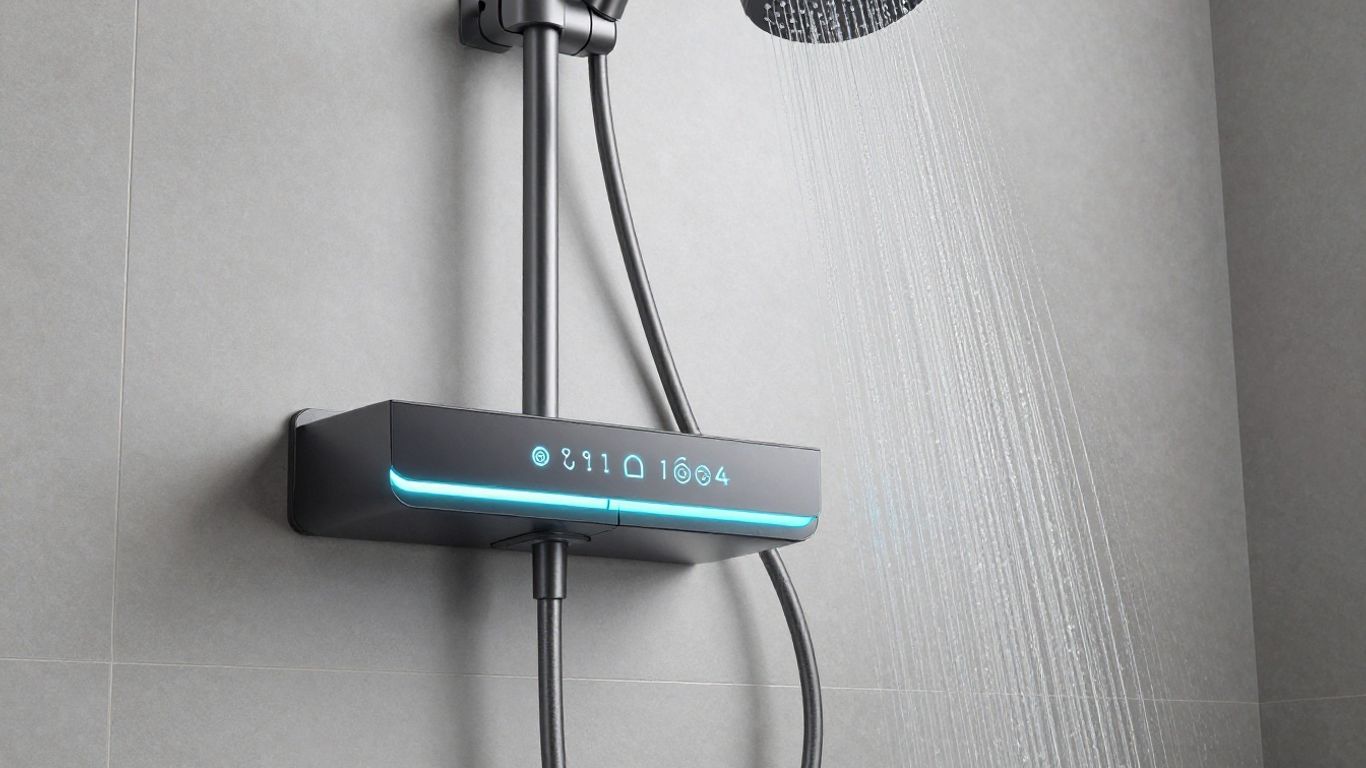
So, you're thinking about upgrading your shower experience? Electronic shower controls, often called digital or smart showers, are a big step up from your standard faucet. They're not just about fancy buttons; they bring a whole new level of control and comfort to your daily routine.
What Is An Electronic Shower?
An electronic shower is essentially a shower system that uses digital technology to manage water flow and temperature. Unlike traditional manual or even basic thermostatic mixers, these systems have a processor that precisely controls the water. Think of it as the difference between a simple light switch and a smart home lighting system – one does the basic job, the other offers a lot more finesse and control. These systems are designed to give you a more consistent and personalized shower every time.
How Electronic Showers Work
At its core, an electronic shower system has a control unit that communicates with a valve or pump. When you set your desired temperature and flow rate, the control unit sends signals to adjust the mix of hot and cold water. Some advanced models even have a small processor that learns your preferences or allows for pre-programmed settings. They typically require a power supply, in addition to your standard hot and cold water connections. This setup allows for much finer adjustments than you can get with a manual dial.
Here's a quick breakdown of how they operate:
- Temperature Control: A digital thermostat precisely mixes hot and cold water to your exact setting, often within a fraction of a degree.
- Flow Management: You can usually select different flow rates, from a gentle rain to a powerful spray, all managed digitally.
- User Interface: Controls can range from simple buttons on a panel to touch screens or even app-based interfaces.
Benefits Of Electronic Shower Control
Why make the switch? Well, the advantages are pretty compelling. For starters, you get that perfect temperature every single time. No more fiddling with the knobs trying to find that sweet spot, or getting blasted with icy water when someone flushes a toilet. They also offer a more water-efficient experience, as you can often set them to run for a specific duration or flow rate, reducing waste. Plus, the convenience factor is huge – imagine stepping into a shower that's already at your ideal temperature.
- Precise Temperature: Say goodbye to temperature fluctuations.
- Consistent Experience: Every shower is just how you like it.
- Water Savings: Better control can lead to less water used.
- User Comfort: A more relaxing and enjoyable shower.
Electronic shower controls represent a significant leap in bathroom technology, moving beyond basic functionality to offer a highly personalized and comfortable showering experience. They bring a level of precision and convenience that traditional showers simply can't match.
Key Features Of Electronic Shower Control
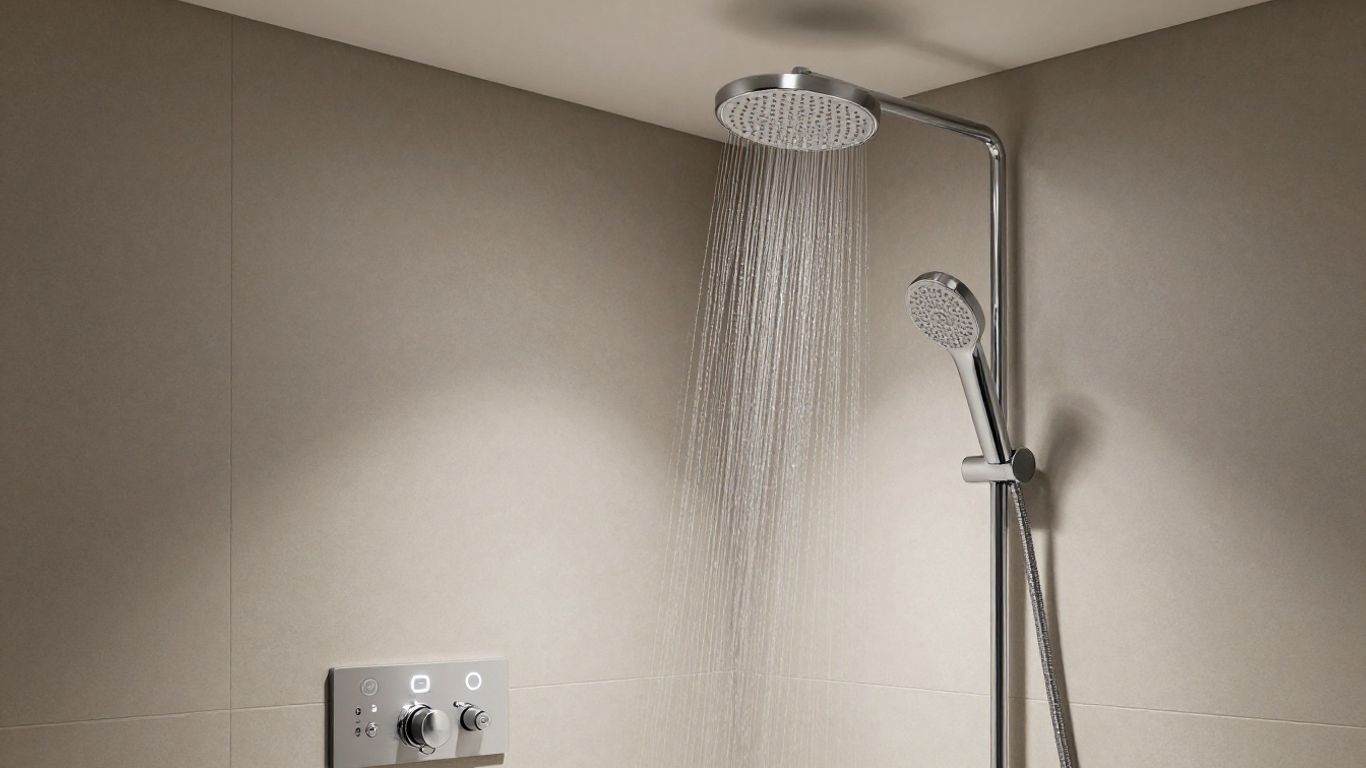
So, you're thinking about upgrading your shower, huh? Electronic controls are where it's at these days, and for good reason. They offer a whole lot more than just turning a knob. Let's break down what makes these systems so neat.
Precise Temperature Regulation
Forget about those wild temperature swings where you're either freezing or scalding. Electronic shower controls use smart tech to keep the water exactly where you want it. This means no more sudden blasts of cold water when someone flushes a toilet! They have internal processors that constantly monitor and adjust the water flow to maintain your set temperature within a degree or two. It's a game-changer for comfort and safety, especially if you have kids or elderly folks in the house.
Customizable Flow Settings
Beyond just temperature, these systems let you fine-tune the water flow. Some models offer different spray patterns, while others allow you to adjust the intensity. You might be able to set a gentle rain-like flow for a relaxing soak or a more powerful stream for rinsing off quickly. It’s all about making your shower experience exactly how you like it, every single time.
Smart Home Integration Capabilities
This is where things get really futuristic. Many electronic shower controls can connect to your home's Wi-Fi. What does that mean for you? Well, it opens up a world of convenience. You can often control your shower using your smartphone or even voice commands through smart assistants like Alexa or Google Assistant. Imagine telling your shower to warm up before you even get out of bed – pretty cool, right?
These systems aren't just about fancy gadgets; they're about making your daily routine smoother and more comfortable. The ability to pre-set your perfect shower means less fiddling around and more time enjoying the water.
Here's a quick look at what you might find:
- Temperature Accuracy: Usually within +/- 1-2°C of your set point.
- Flow Control: Options for different intensities or spray patterns.
- Connectivity: Wi-Fi enabled for app or voice control.
It's a big step up from traditional showers, offering a more personalized and convenient way to start or end your day.
Choosing The Right Electronic Shower Control
So, you're ready to upgrade to an electronic shower control. That's great! But before you get too excited about fancy temperature settings, we need to talk about making sure it actually works with your home. It’s not just about picking the coolest gadget; it’s about making sure it fits your plumbing and your lifestyle. Think of it like buying a new phone – you wouldn't get one that doesn't work with your carrier, right? Same idea here.
Assessing Your Home's Water System
This is probably the most important step. Electronic showers, especially the smart ones, need a stable water supply to function correctly. You'll want to know if you have a high-pressure or low-pressure system. Most homes have a standard mains water supply, which is usually fine. However, if you have an older house or a gravity-fed system, you might run into issues. Some electronic showers are more forgiving than others, but it's best to check.
- Mains Pressure Systems: These are generally the most compatible. Water comes directly from the mains, so pressure is usually consistent.
- Gravity-Fed Systems: These rely on a tank, often in the loft, to create pressure. This usually means lower pressure, and you might need a shower pump to make an electronic shower work well.
- Combi Boilers: These heat water on demand and often provide good pressure, making them a good match for many electronic systems.
Knowing your home's water setup upfront can save you a lot of headaches and potential return trips. It's the foundation for everything else.
Considering Water Pressure Requirements
Water pressure is a big deal for electronic showers. Too low, and you won't get that satisfying shower experience. Too high, and you could potentially damage the system or have water spraying everywhere. Electronic shower controls often have specific minimum and maximum pressure requirements. You can usually find this information in the product's technical specifications. If you're unsure about your home's water pressure, you can buy a simple pressure gauge or ask a plumber to check it for you. Some advanced electronic showers can even compensate for lower pressure, but it's always good to know what you're starting with. For example, some systems might need at least 0.5 bar of pressure to operate correctly, while others might be fine with less. It's worth looking at reviews or asking the manufacturer if you're concerned about water conservation.
Evaluating Installation Needs
Installation is another key factor. While some electronic shower controls are designed for straightforward DIY fitting, others are more complex. You'll need to consider:
- Electrical Connections: Most electronic showers require a power source. This means you'll likely need an electrician to safely wire it in, especially if there isn't a suitable outlet nearby.
- Plumbing: While the electronic control itself might be simple to connect, you'll still need to integrate it with your existing hot and cold water pipes. This might involve some pipework adjustments.
- Space: Do you have enough space behind the wall or in your cabinet for the control unit and any associated wiring or plumbing?
If you're not comfortable with electrical or plumbing work, it's always best to hire a professional. A qualified installer can make sure everything is fitted correctly and safely, which is important for both the longevity of the shower and your peace of mind.
Advanced Functionality In Electronic Showers
Remote And App Control Options
Forget fumbling for the right knob in a cold bathroom. Many electronic shower controls let you get things started from your phone or a small remote. You can set the temperature and even the flow before you even step into the shower. It’s pretty neat, especially on those chilly mornings. Some systems even have a "warm-up" mode, so the water is just right when you get in. No more testing the water with your hand or, worse, your foot!
Voice Activation With Smart Assistants
This is where things get really futuristic. If you've got a smart home setup with something like Amazon Alexa or Google Assistant, you can often link your electronic shower to it. Imagine this: you're getting ready, hands full, and you just say, "Hey Google, turn on the shower to 39 degrees." And poof, it happens. It’s a small thing, but it adds a lot of convenience, especially when you’re multitasking.
Pre-set User Profiles For Families
This feature is a lifesaver for households with different people using the shower. You can set up individual profiles. So, Mom might like a warmer, gentler flow, while Dad prefers a stronger, cooler spray. The kids can have their own settings too, maybe with a slightly lower temperature for safety. It means everyone gets their perfect shower without having to adjust it every single time. It's all about making the shower experience personal and hassle-free for everyone in the house.
Setting up user profiles is a smart move for families. It not only saves time but also helps maintain consistent water temperatures and flow rates, which can be a big plus for safety, especially with children or elderly family members. Plus, it just makes morning routines a bit smoother.
Installation And Maintenance Of Electronic Showers
Professional Installation Guidance
Getting an electronic shower control set up right is pretty important. While some DIY-savvy folks might tackle it, professional installation is usually the way to go to make sure everything works perfectly and safely. Electricians and plumbers know the ins and outs of water pressure, electrical connections, and making sure your new system plays nice with your existing plumbing. They can also spot potential issues before they become big headaches. Think of it as an investment in a smooth-running shower for years to come.
Routine Maintenance Tips
Keeping your electronic shower control in good shape isn't too complicated. A little regular attention goes a long way.
- Wipe down the control panel and showerhead: Use a soft, damp cloth to clean off any soap scum or mineral deposits. Avoid harsh chemicals that could damage the finish or electronics.
- Check for leaks: Periodically look around the shower connections for any drips or signs of water damage. Catching small leaks early can prevent bigger problems.
- Descale the showerhead: Mineral buildup can affect water flow. Depending on your water hardness, you might need to soak the showerhead in a vinegar solution every few months.
- Update software (if applicable): For smart models, check the manufacturer's app or website for any available software updates. These can sometimes improve performance or add new features.
Troubleshooting Common Issues
Sometimes, things don't work quite as expected. Here are a few common hiccups and how you might sort them out:
- No power or display is off: First, check your home's circuit breaker. If that's fine, the issue might be with the unit's power supply. A professional might need to look at the wiring.
- Water temperature isn't right: If the temperature is too cold or too hot, double-check the settings on the control panel. Sometimes, a simple reset of the unit can fix this. If your water pressure is low, it might also affect temperature consistency.
- Water flow is weak: This could be due to a clogged showerhead (see maintenance tips) or a problem with your home's water pressure. If you have a gravity-fed system, a pump might be needed. For electronic showers, a higher kW rating unit might be necessary for better flow.
When troubleshooting, always refer to your specific model's user manual. It often has detailed guides tailored to your exact electronic shower control system, which can save you a lot of guesswork and potential frustration.
The Future Of Electronic Shower Control
So, where are these fancy shower systems heading next? It's pretty exciting stuff, honestly. We're seeing a big push towards making showers even smarter and more connected, not just in our bathrooms but with our whole homes.
Innovations In Water Efficiency
One of the biggest areas of development is how we use water. Manufacturers are really focusing on ways to cut down on water usage without making you feel like you're in a drizzle. Think about:
- Smart flow sensors: These can adjust water pressure on the fly based on what you're doing, like rinsing shampoo versus just standing under the spray. It means you get the water you need, when you need it, and not a drop more.
- Recirculation systems: Some high-end systems are starting to explore ways to heat and reuse water, drastically cutting down on the amount of fresh water used and the energy needed to heat it. It's a bit like a closed-loop system, but for your shower.
- Real-time usage tracking: Imagine getting an alert on your phone if your shower is running longer than usual or using more water than your set goal. This kind of feedback is key to changing habits and saving resources.
Enhanced User Experience Features
Beyond just saving water, the goal is to make your shower time more enjoyable and personalized. We're talking about features that anticipate your needs.
- Predictive temperature control: Instead of just holding a temperature, future systems might learn your preferences based on the time of day or even the weather outside, pre-warming the water to your ideal setting before you even step in.
- Mood lighting integration: Showers could sync with smart lighting systems in your bathroom, changing colors to match your mood or the time of day. Imagine a calming blue for a morning wake-up or a warm amber for an evening wind-down.
- Personalized scent diffusion: Some experimental systems are looking at integrating aromatherapy, releasing specific scents into the steam based on user profiles or desired effects.
Integration With Other Bathroom Technology
Electronic showers are no longer going to be standalone gadgets. They're becoming part of a larger smart bathroom ecosystem.
The bathroom of the future will likely see your shower talking to your toilet, your sink, and even your mirror. This interconnectedness could lead to truly automated routines, like your shower starting up as your smart toothbrush finishes its cycle, or your bathroom mirror displaying your daily schedule while you get ready.
We're also looking at:
- Health monitoring: Imagine your shower subtly tracking your heart rate or skin hydration levels, providing data that could be shared with health apps or even your doctor (with your permission, of course).
- Automated cleaning cycles: Some advanced systems might even have self-cleaning functions or integrate with robotic cleaning devices to keep your shower sparkling.
- Voice control evolution: While voice control is already here, it's going to get much more sophisticated. Think about being able to say, "Start my usual morning shower, but make it a bit warmer today," and having the system understand and execute perfectly.
Wrapping Up Your Shower Upgrade
So, there you have it. Picking out a new shower control might seem like a lot, but it really comes down to what you need and what your bathroom can handle. Whether you're after the instant hot water of an electric model, the boosted pressure from a power shower, or the high-tech convenience of a digital or smart system, there's definitely an option out there. Take a moment to think about your current setup and what you'd like to change. A little planning now can mean a much more enjoyable shower experience every single day. Happy showering!
Frequently Asked Questions
What exactly is an electronic shower control?
An electronic shower control, often called a digital shower, is a fancy shower system that lets you control the water temperature and flow with digital buttons or even a remote. It's like having a mini computer for your shower, making it super easy to get the perfect water settings every time.
How do these electronic showers work?
These showers heat water instantly as it flows through. They have a special heating element inside that warms the water up right when you need it. This is different from regular showers that rely on your home's hot water tank, which can run out.
Are electronic showers hard to install?
Installation can be a bit more involved than a basic shower, especially if you're adding new controls. It's often best to have a professional plumber or electrician do the job to make sure everything is connected safely and correctly.
Can I control my electronic shower with my phone?
Yes, many advanced electronic showers have smart features! This means you can often control them using a smartphone app. You can set your preferred temperature and even start warming up the water before you even get into the shower.
Do electronic showers save water or energy?
They can be quite efficient! Because they heat water on demand, they don't waste energy heating up a large tank of water that might not be used. Plus, precise controls can help you avoid running the water longer than needed.
What happens if my home has low water pressure?
Some electronic showers can work with lower water pressure, but for the best experience, good water pressure is usually recommended. If your home has low pressure, you might need to look into models that can boost the water flow or consider getting a pump installed.

