

Transform Your Bathroom with a Luxurious Rainfall Shower System
If your daily shower feels like a chore instead of a treat, maybe it's time to think about an upgrade. Imagine starting your day under a gentle rainfall or winding down in a steamy oasis. This kind of luxury isn't just for fancy hotels anymore. You can bring that spa feeling right into your own bathroom, often without a huge renovation or a massive budget. Let's explore how a few smart changes, like adding a rainfall shower system, can turn your bathroom into a personal retreat.
Key Takeaways
- A rainfall shower system mimics natural rain, creating a relaxing, spa-like feel in your bathroom.
- These systems offer wider coverage and consistent water temperature, making showers more comfortable and stress-relieving.
- When choosing a rainfall shower system, consider the showerhead size, material quality, finish, and any adjustable features.
- Installation can often be a DIY project, but professional help might be needed for more complex setups or steam features.
- You can further enhance the experience with upgrades like steam generators, mood lighting, or built-in audio systems.
Transform Your Bathroom with a Rainfall Shower System
The Allure of Rain Shower Systems
Ever dreamt of stepping into your own personal spa every morning? A rainfall shower system can make that dream a reality. Forget the harsh spray of a standard showerhead; these systems are designed to mimic the gentle, soothing sensation of standing under a warm rain. It’s a simple change that makes a big difference in your daily routine, turning a mundane task into a moment of pure relaxation. The feeling of water cascading over your entire body is incredibly calming.
Benefits of Installing a Rainfall Shower System
Beyond the luxurious feel, there are several practical reasons to consider a rainfall shower. They can actually be quite water-efficient, using less water than older, less sophisticated showerheads while still providing that immersive experience. Plus, they add a serious touch of modern elegance to any bathroom. It’s a win-win for both your well-being and your home's aesthetic.
Here are some key advantages:
- Relaxation: The wide, gentle spray helps melt away stress and tension.
- Water Savings: Many models are designed for efficiency, potentially lowering your water bill.
- Aesthetics: They offer a sleek, contemporary look that upgrades your bathroom's style.
- Coverage: The larger showerheads provide a more complete and enveloping shower experience.
Creating a Spa-Like Bathroom Experience
Think about it: the soft sound of water, the feeling of warmth all over, no harsh jets. It’s about creating an environment where you can truly unwind. You can even take it a step further with a few simple additions. Imagine adding a steam generator for a true Turkish bath feel, or perhaps some built-in body jets for a full-body massage. Even just a waterproof speaker for some calming music can make a huge difference. It’s all about crafting your personal sanctuary right in your own home.
Making your bathroom a place of retreat doesn't have to involve a massive renovation. Sometimes, a single, well-chosen fixture can completely change the atmosphere and how you feel when you use the space.
Key Features of a Rainfall Shower System
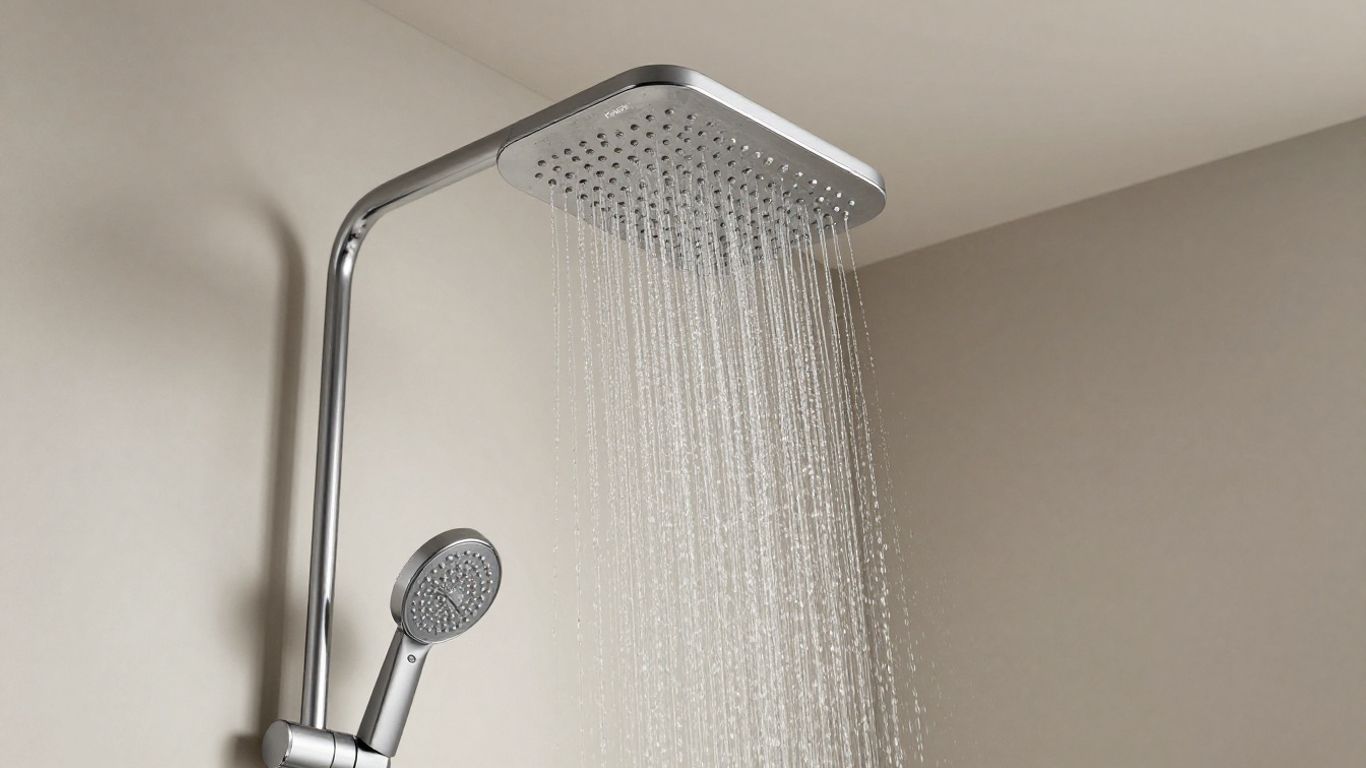
When you're looking at rainfall shower systems, there are a few things that really make a difference in how it feels and looks in your bathroom. It's not just about the water falling on you; it's about the whole experience.
Showerhead Size and Coverage
The size of the showerhead is a big deal. Think about how much space you want the water to cover. A larger showerhead, often 10 inches or more in diameter, really gives you that "under a waterfall" feeling. It spreads the water out more, so you get a wider spray that can cover your whole body. Smaller ones might feel more like a regular shower, just with a different kind of spray. You'll want to make sure the size you pick fits well in your shower space without feeling too cramped or too small.
Adjustable Showerheads and Settings
Not all rainfall showerheads are created equal. Some are fixed, but many come with ways to adjust them. You might be able to change the angle of the showerhead, which is handy if you're taller or shorter than average, or if you just want to direct the spray differently. Some models also offer different spray settings. You could have a gentle mist, a more focused massage spray, or of course, the classic rainfall setting. Having these options means you can really customize your shower time to how you're feeling that day.
Material Quality and Finish Options
The stuff your showerhead is made of matters for how long it lasts and how it looks. You'll see a lot of options made from solid materials like brass or stainless steel. These tend to be more durable than plastic ones, which can sometimes feel a bit cheap. Then there's the finish. Chrome is super common and shiny, brushed nickel has a softer, matte look, and oil-rubbed bronze can give a more traditional or rustic vibe. Picking a finish that matches your other bathroom fixtures, like your faucet and towel bars, really ties the whole room together. It's these details that turn a regular bathroom into something special.
Choosing the Perfect Rainfall Shower Fixture
So, you're ready to upgrade your shower game. Picking the right rainfall shower fixture is more than just grabbing the first shiny thing you see. It's about finding something that fits your space, your style, and how you actually like to shower. Let's break down what really matters.
Spray Coverage and Diameter
This is a big one. You want that feeling of standing under a gentle downpour, right? That means looking at the size of the showerhead itself. A common recommendation is to aim for a diameter of at least 10 inches. Bigger is often better if you have the space, as it spreads the water out more, giving you that full-body coverage. Think about your shower stall size too; a massive showerhead might look great, but it won't feel right if it's crammed into a tiny corner.
Adjustability and Control
Not everyone likes their water coming straight down. Some rainfall showerheads are fixed, but many come with an adjustable arm. This lets you angle the showerhead, which is super handy if you're not standing directly underneath it or if you want to direct the spray a bit. Also, check if the showerhead itself has different settings. While the main event is the rainfall effect, having options like a mist or a more focused spray can be nice for different moods or tasks. Some models even let you control the water flow rate, which can impact how intense the 'rain' feels. You can find some great options that offer a powerful and refreshing shower experience while conserving water.
Material Durability and Appearance
What your showerhead is made of really affects how long it lasts and how it looks. Plastic might seem okay at first, but it can get brittle or crack over time. Metals like solid brass, stainless steel, or even bronze are much better choices for durability. They hold up better to water and wear. Then there's the finish. Chrome is classic and easy to clean, brushed nickel offers a softer look, and oil-rubbed bronze can add a touch of warmth. Pick a finish that matches your other bathroom fixtures and the overall vibe you're going for. A sleek, modern design can really change the feel of your bathroom.
When you're looking at different models, don't forget to think about how the water pressure in your home will interact with the showerhead. Some heads are designed to work best with higher pressure, while others have built-in regulators to ensure a good experience even with lower pressure. It's worth checking reviews or asking a salesperson about this.
Here's a quick rundown of what to look for:
- Diameter: Aim for 10 inches or more for good coverage.
- Arm: Look for an adjustable arm to angle the spray.
- Settings: Multiple spray patterns add versatility.
- Material: Brass, stainless steel, or bronze are good for longevity.
- Finish: Choose one that complements your bathroom's style.
- Flow Rate: Check the GPM (gallons per minute) – higher usually means a more drenching feel.
Installing Your Rainfall Shower Fixture
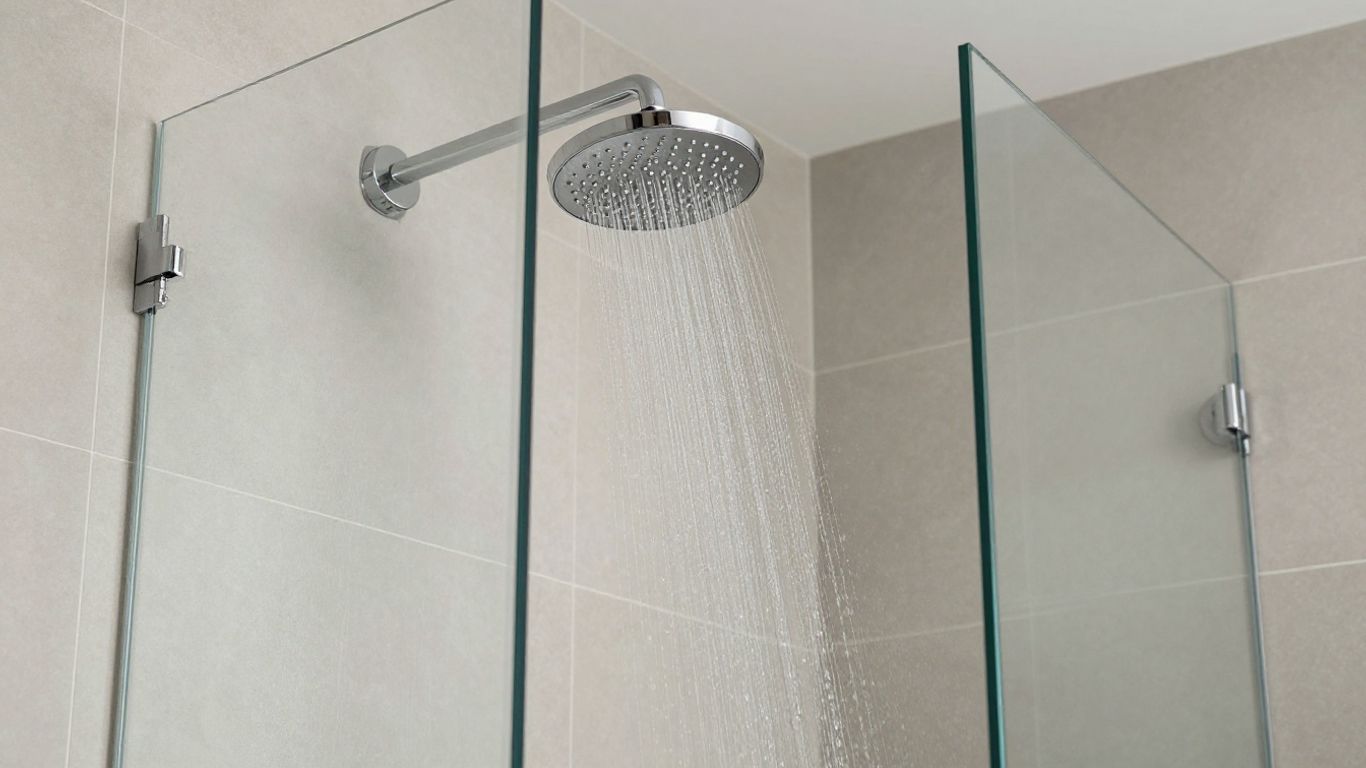
So, you've picked out the perfect rainfall shower system, and now it's time to get it installed. If you're feeling a bit handy, this is totally a DIY-friendly project for many folks. It's not rocket science, but you do need to pay attention to the details.
Essential Tools and Materials
Before you start, gather everything you'll need. Trust me, running to the hardware store mid-project is a pain. You'll want:
- Tools: Pipe wrenches, a screwdriver set, plumber's tape (that white sticky stuff for threads), a level, and maybe some wire cutters if your system has any electrical bits.
- Materials: The new shower arm and head, a mounting bracket kit if needed, supply lines, shut-off valves (just in case!), and screws.
Step-by-Step Installation Process
Here’s a general rundown of how it usually goes. Always check the specific instructions that came with your new shower system, though!
- Shut Off the Water: This is the most important first step. Find the main water shut-off for your bathroom or house and turn it off. You don't want any surprise showers while you're working.
- Remove the Old Fixture: Use your pipe wrench to carefully unscrew the old showerhead and arm from the wall pipe. Be gentle; you don't want to damage the pipe inside the wall.
- Prep the Shower Arm: Clean the threads on the pipe coming out of the wall. Then, wrap plumber's tape around these threads a few times. This helps create a watertight seal.
- Install the New Shower Arm: Screw the new shower arm into the wall pipe. Tighten it with your wrench, but don't go crazy. Make sure it's snug.
- Attach the Showerhead: Now, screw your beautiful new rainfall showerhead onto the end of the shower arm. Again, snug is good, but don't overtighten.
- Turn Water Back On & Check for Leaks: Slowly turn the water supply back on. Let the water run through the showerhead for a bit. Check all the connections you touched – where the arm meets the wall and where the head meets the arm – for any drips. If you see any, turn the water off and tighten those connections a little more.
- Adjust and Test: Position the showerhead arm so the spray is directed where you want it. Use your level to make sure it's straight if needed. Enjoy your first test run!
Professional Installation Considerations
While many of these systems are designed for DIY installation, there are times when calling in a pro makes a lot of sense. If your project involves:
- Moving plumbing lines.
- Installing new electrical components for features like LED lights or heated systems.
- Adding complex features like body jets that require cutting into walls.
- You're just not comfortable with plumbing work in general.
Then, hiring a licensed plumber is the way to go. They have the tools and the know-how to get it done right, safely, and efficiently. Plus, it gives you peace of mind knowing it's all hooked up correctly, preventing potential water damage down the line. It might cost a bit more upfront, but it can save you headaches later on.
Enhance Your Rainfall Shower Experience
So, you've got that amazing rainfall showerhead installed – nice! But honestly, just having the big showerhead is only part of the story. You can really turn your shower into something special, like a mini spa, with a few extra touches. It’s about making that daily shower time something you actually look forward to, not just a quick rinse.
Complementary Upgrades for Indulgence
Think about what makes a spa feel like a spa. It’s usually the little things that add up. For your shower, this could mean adding some body jets. These are smaller nozzles built into the shower walls that spray water horizontally. They feel great, especially on your back and legs, and give you a full-body massage experience that the overhead rain shower alone can't quite replicate. Another popular addition is heated flooring. Stepping out of a warm shower onto a cold tile floor is a bit of a mood killer, right? Warm tiles make the whole experience much more comfortable and luxurious. And don't forget about lighting. Simple LED lights can change the whole vibe of your bathroom, making it feel more relaxing or energizing depending on the color you choose.
Steam Generators for Ultimate Relaxation
If you really want to go all out, consider a steam generator. This system basically turns your shower into a steam room. It fills the space with warm, moist air, which is incredibly good for your skin and muscles. It helps open up pores, can ease congestion, and just feels wonderfully relaxing. Rainfall showerheads work really well with steam because the large spray pattern helps distribute the steam evenly. It’s a game-changer for unwinding after a long day.
Chromotherapy and Audio Enhancements
Let's talk about making your shower a full sensory experience. Chromotherapy, or color therapy, uses colored LED lights to influence your mood. Blue can be calming, while warmer colors like orange might feel more energizing. Many systems let you sync the lights with the water temperature or choose preset mood settings. Then there's audio. Adding waterproof Bluetooth speakers means you can stream your favorite music, podcasts, or even audiobooks right in the shower. Imagine listening to a relaxing playlist while the warm water cascades down – it’s a fantastic way to de-stress or just make your morning routine more enjoyable.
Making these additions doesn't just make your shower look better; it transforms it into a personal sanctuary. It's about creating a daily ritual that rejuvenates you, body and mind. Think of it as an investment in your well-being.
Here are some popular upgrades:
- Body Jets: For targeted massage and full-body coverage.
- Heated Floors: For ultimate comfort stepping out of the shower.
- Steam Generator: To create a spa-like steam room experience.
- LED Lighting (Chromotherapy): To set the mood with colored lights.
- Waterproof Bluetooth Speakers: For listening to music or podcasts.
Maintaining Your Rainfall Shower System
So, you've got this amazing rainfall shower system, and it feels like a mini-spa every time you step in. That's awesome! But like anything good, it needs a little TLC to keep it working right and looking sharp. Nobody wants a showerhead that's clogged or dripping, right? A little bit of regular upkeep goes a long way in making sure your shower stays that luxurious escape you love.
Regular Cleaning for Longevity
This is probably the most straightforward part. After you're done showering, just give the showerhead a quick wipe-down with a soft cloth, maybe a microfiber one. This helps stop water spots and any mineral gunk from building up. Seriously, it takes like, ten seconds. Don't go using those super harsh cleaners, though; they can actually damage the finish over time. Stick to mild soap and water if you need more than just a wipe.
Preventing Mineral Buildup
Hard water is the enemy of showerheads everywhere. Over time, those little mineral deposits can clog up the nozzles, making your nice, wide spray turn into a sad, dribbly mess. About every few months, you'll want to give it a more thorough cleaning. A common trick is to fill a plastic bag with white vinegar and tie it around the showerhead so the nozzles are submerged. Leave it overnight, then remove the bag and run the water to flush everything out. Some people use a citric acid cleaner, which works too. Just make sure to rinse really well afterward.
Checking Connections and Adjustments
It's also a good idea to periodically check the connections where the shower arm meets the wall and where the showerhead attaches to the arm. Look for any signs of leaks. If you see drips, you might need to re-wrap the threads with plumber's tape or tighten things up a bit. Also, if your showerhead is adjustable, give it a wiggle now and then. If it feels stiff, a little spray of silicone lubricant can help keep those joints moving smoothly so you can still point that rain exactly where you want it.
Keeping your rainfall shower system in good shape isn't complicated. It's mostly about consistent, gentle cleaning and keeping an eye out for small issues before they become big problems. A little effort now means many more years of that amazing shower experience.
Ready for Your Spa Day?
So, that's the rundown on making your bathroom feel like a fancy spa. A rain shower system really can make a big difference, turning a regular shower into something way more relaxing. It's not as complicated as it might seem to get one installed, and honestly, the daily feeling of getting soaked under that gentle spray is pretty amazing. Think about it – a little bit of luxury every single day. It’s a nice way to wash off the stress. Go ahead, give it a try and see how much you enjoy your new shower.
Frequently Asked Questions
What is a rainfall shower system?
A rainfall shower system is a type of showerhead that is usually larger and is installed overhead. It lets water fall gently and evenly, just like real rain, covering your whole body for a relaxing shower.
Can I put a rainfall showerhead in my small bathroom?
Rainfall showerheads are bigger than regular ones, so you need to make sure you have enough space in your shower. If your shower is very small, a large rain showerhead might not fit well or give you the best experience.
Is it possible to turn my regular shower into a rainfall shower?
Yes! You can change your regular shower to a rainfall shower by replacing your current showerhead with a rain showerhead. Sometimes, you might also need to change the shower arm or faucet to match the new head.
Do rainfall showers use more water than normal showers?
Many modern rain showerheads are made to save water while still giving you a full, gentle spray. Always check the water flow rate before you buy to make sure it fits your needs and local water rules.
How do I keep my rainfall showerhead clean?
To keep your rain showerhead working well, wipe it down after use and clean it with vinegar every few months to stop mineral buildup. This helps the water flow stay strong and keeps the showerhead looking nice.
Should I hire a professional to install my rainfall shower system?
If you’re comfortable with basic tools, you might be able to install a rain showerhead yourself by following the instructions. But if your shower needs new pipes or extra features like lights or steam, it’s better to call a professional to make sure everything is safe and works right.

