

The Ultimate Guide to Concealed Shower Systems: Design, Installation, and Benefits
Thinking about upgrading your bathroom? Concealed shower systems are a popular choice right now, and for good reason. They offer a super clean look, hiding all the messy bits like pipes and valves behind the wall. This guide is all about those systems – how to pick them, get them installed, and why they might be just what your bathroom needs. We'll cover everything from the fancy design stuff to making sure it all works right and lasts a long time. Let's get into it.
Key Takeaways
- Concealed shower systems hide plumbing behind walls for a minimalist look, unlike exposed systems which have visible pipes and controls.
- When designing, consider valve types (thermostatic is often best), adding body jets, choosing finishes, and how the shower enclosure fits the overall bathroom.
- Installation can be DIY or professional; proper planning for pipework, sealing, drainage, and access for maintenance is vital for concealed systems.
- The main benefits include a cleaner aesthetic, better control over water temperature and flow, and generally longer-lasting components due to protection within the wall.
- Addressing potential issues like leaks and mold through good sealing, ventilation, and using the right materials is important, as is checking water pressure needs for your chosen system.
Understanding Concealed Shower Systems
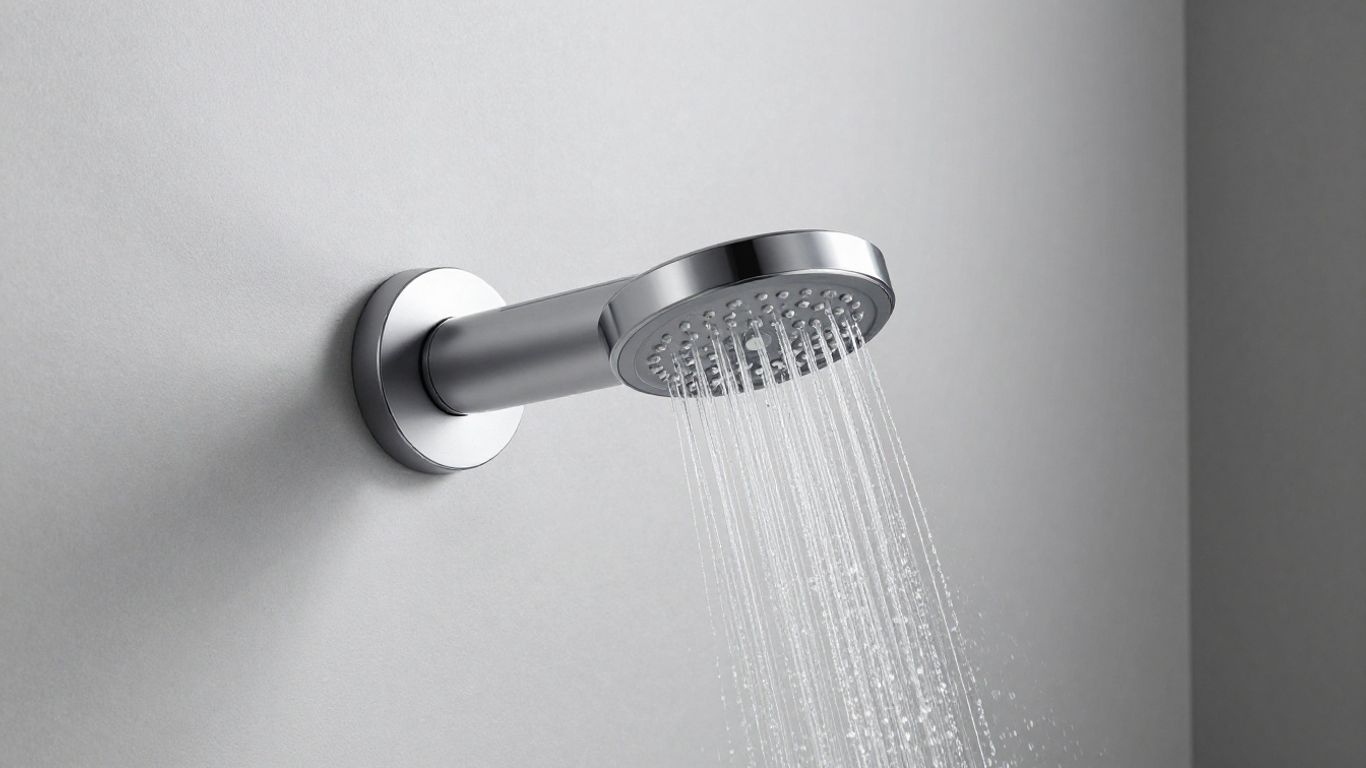
So, you're thinking about a shower that looks super clean, with all the plumbing hidden away? That's what a concealed shower system is all about. Instead of seeing pipes and bulky fixtures, you get a sleek, minimalist look. It's a big change from the old-school exposed showers where everything is out in the open.
What Are Concealed Shower Systems?
A concealed shower system, sometimes called a built-in or hidden shower, is designed so that the main working parts – like the valve and all the pipework – are installed within the wall cavity. What you see on the outside is just the trim: the showerhead, the controls (like handles or a dial), and any extra jets. This setup keeps the shower area looking tidy and uncluttered. It's all about making the shower itself the focus, not the hardware.
Concealed vs. Exposed Shower Systems
Think of exposed systems as the traditional setup. You know, the shower valve is mounted right on the wall surface, and the pipes leading to it are visible. They're usually simpler to install and fix if something goes wrong because everything's right there. Concealed systems, on the other hand, hide all that complexity. This means:
- Aesthetics: Concealed systems offer a much cleaner, more modern look. Fewer visible parts mean less visual noise.
- Installation: Exposed systems are generally easier for a DIYer. Concealed systems require opening up walls, which is more involved.
- Maintenance: Fixing an exposed shower is usually straightforward. For a concealed system, accessing the internal parts means you might need to open up the wall, which can be a bigger job.
- Cost: Exposed systems are often less expensive upfront, both for the fixture and the installation.
Key Components of a Concealed System
Even though most of it is hidden, a concealed shower system has a few main parts you should know about:
- The Concealed Valve Body: This is the heart of the system, sitting inside the wall. It controls the water flow, temperature, and which outlets are active (like the main showerhead or body jets).
- Trim Kit: This is the visible part. It includes the shower handle(s) or dial, the escutcheon plate (the decorative plate behind the controls), and the showerhead or spout.
- Pipework: The water supply lines that run from your main plumbing to the valve body, and then from the valve body to the showerhead and any other outlets.
- Outlets: These are where the water comes out. It could be a standard showerhead, a rainfall showerhead, body jets, or even a tub spout.
When you're planning a concealed shower, remember that the valve body needs space inside the wall. You also need to think about how you'll get to it later if it ever needs servicing. This usually means installing an access panel or making sure the wall can be opened up without too much trouble. It's a bit like building a house – you need to plan for plumbing, but also for future repairs.
Design Considerations for Concealed Showers
Alright, so you're thinking about a concealed shower system. That's pretty cool. It's not just about hiding the pipes, though. It's about making the whole shower experience work better and look way cleaner. Let's break down some of the things you'll want to think about before you start.
Choosing the Right Valve Type
The valve is basically the brain of your shower. It controls the water temperature and flow. For concealed systems, you've got a few main options. The most common is a thermostatic valve. This is great because it keeps the water temperature steady, so you won't get any sudden cold shocks or scalding hot surprises. Then there are pressure-balancing valves, which are simpler and usually cheaper, but they might not hold the temperature quite as precisely if, say, someone flushes a toilet somewhere else in the house. The key is picking a valve that matches your needs for temperature control and budget.
Integrating Body Jets and Multiple Outlets
This is where concealed showers really shine. You can have a rainfall showerhead, a handheld wand, and even body jets all coming out of the wall without any of the plumbing being visible. It looks super sleek. When you're planning this, think about where you want each outlet. Do you want jets hitting your back, your sides? How high should the rainfall head be? It's a good idea to map this out on paper or even use some tape on the wall to visualize it before the drywall goes up. You'll need to make sure the valve you choose can handle multiple outlets at once, especially if you want them all running at full blast simultaneously.
Material and Finish Selection
Since most of the plumbing is hidden, the materials you see on the outside become even more important. Think about the tiles for your walls and floor, the showerhead finish, and any accent pieces. You want materials that are not only good-looking but also hold up well in a wet environment. Things like porcelain tiles are a solid choice because they're tough and come in tons of styles. For finishes on your fixtures, like the showerhead or controls, consider what matches the rest of your bathroom. Chrome is classic and easy to clean, brushed nickel hides water spots better, and matte black can look really modern. Just remember that whatever you pick will be on display, so choose wisely!
Shower Enclosure Design
With a concealed system, the enclosure often becomes the main visual element. You can go for frameless glass for a really minimalist look that makes the space feel bigger. Or, maybe a semi-frameless design if you want a bit more structure. The type of door is also a consideration – sliding doors save space, while pivot doors can offer a more open feel. Think about how the enclosure will fit with the rest of your bathroom's style. A modern bathroom might suit clean, straight lines, while a more traditional space could work with a slightly more decorative frame or handle.
Planning ahead is really the name of the game with concealed showers. Once the walls are closed up, making changes can get complicated and expensive. So, take your time with the design phase. It's better to spend a bit more time figuring things out now than to regret it later when you're actually using the shower.
Installation of Concealed Shower Systems
Putting in a concealed shower system is definitely not like swapping out your old faucet. It’s a more involved process, and honestly, it’s where things can go sideways if you’re not careful. Because all the working bits – the valve, the pipes – are hidden behind the wall, you’ve got to get it right the first time. There’s not a lot of room for error once that wall is closed up.
DIY vs. Professional Installation
So, can you tackle this yourself? Well, maybe. If you’re a seasoned DIYer with plumbing experience and a good understanding of wall construction, you might be able to pull it off. You’ll save some money, and there’s that satisfaction of doing it yourself. But let’s be real, mistakes here can be costly and a real headache to fix later. Think about the potential for leaks or damage to your wall structure. On the flip side, hiring a professional means you’re likely getting a job done right, with less stress and a quicker finish. They’ve got the tools, the know-how, and they’re insured if something goes wrong. It costs more upfront, sure, but it often buys you peace of mind. For most people, especially with the complexity of concealed systems, going pro is the way to go. It’s a big part of why concealed shower sets are often best left to the experts.
Planning for Concealed Pipework
This is where the real planning happens. Before any tiles go up, you need to map out exactly where all the pipes will run. This isn't just about getting water to the showerhead; it's about connecting the valve, any body jets, and making sure everything is accessible if needed down the line. You’ll need to consider the depth of your walls – do you have enough space to house the valve and pipes without them sticking out or being too close to the surface? Most manufacturers provide detailed templates and rough-in boxes to help with this, which are super handy. Getting this part wrong means you might have to open up the wall again, and nobody wants that.
Ensuring Proper Sealing and Drainage
Waterproofing is absolutely critical. You’re essentially creating a watertight box within your wall. This involves using specialized membranes, tapes, and sealants around all the pipe entries and the valve body. The shower floor also needs to be sloped correctly towards the drain. Even a slight pooling of water can lead to bigger problems down the road, like mold or damage to your wall structure. It’s all about preventing any moisture from escaping the shower area and getting into places it shouldn’t be.
Access for Maintenance
This is something people often forget until it’s too late. What happens if the valve starts leaking or needs servicing? If you’ve sealed everything up perfectly without thinking about access, you’re in for a world of pain. It’s a good idea to plan for an access panel or a removable section of the wall, especially around the main valve. This doesn’t have to be ugly; it can be integrated discreetly, perhaps behind a mirrored cabinet or a cleverly placed tile. It makes future maintenance so much easier and less disruptive.
The success of a concealed shower system hinges on meticulous planning and execution during the installation phase. Every pipe run, valve placement, and sealing detail must be considered before the walls are closed, as rectifying errors post-installation can be significantly more complex and costly than getting it right from the start.
Benefits of Concealed Shower Systems
So, why go through the trouble of hiding all that plumbing? Well, it turns out there are some pretty good reasons. Concealed shower systems aren't just about looking fancy; they actually make your shower experience better in a few key ways.
Enhanced Aesthetics and Minimalism
Let's be honest, a big part of the appeal is how clean everything looks. With all the pipes and valves tucked away behind the wall, you're left with just the sleek controls and the showerhead. This minimalist approach really opens up the visual space in your bathroom. It makes the whole area feel bigger and more organized. Instead of a bunch of visible hardware, you get a smooth, uncluttered surface. It’s like tidying up your bathroom counter – everything just looks better when it’s not in plain sight.
Improved Functionality and Control
While it might seem like hiding everything would make things complicated, it often does the opposite. Concealed systems, especially when paired with thermostatic valves, give you much finer control over your shower. You can set the exact temperature you want, and it stays there. No more fiddling with a dial that keeps slipping. Plus, when you add multiple shower outlets, like body jets or a rain showerhead, a concealed system handles them much more gracefully. The valve is designed to manage the water flow to each outlet, so you can switch between them or even use them together without a big drop in pressure or a sudden blast of cold water.
Here’s a quick look at how different features work better with concealed systems:
- Temperature Stability: Thermostatic valves maintain your set temperature, even if someone flushes a toilet elsewhere.
- Multiple Outlets: Easily manage rain showers, hand showers, and body jets from one central control.
- Flow Management: Designed to handle the increased water demand from multiple spray points.
Durability and Longevity
When the working parts of your shower are protected behind the wall, they're less exposed to everyday wear and tear. Think about it: no accidental bumps from towels, no cleaning products directly sprayed onto delicate mechanisms. This protection can lead to a longer lifespan for the shower components. Also, because these systems are often installed during a renovation or new build, the pipework is usually done to a high standard, with proper connections and support. This reduces the chances of leaks or other issues down the line. It’s a bit like putting a cover on your nice furniture – it keeps it looking good for longer.
When you choose a concealed shower system, you're investing in a setup that's built to last. The components are shielded from daily use and environmental factors that can degrade exposed fixtures over time. This hidden protection contributes significantly to the system's overall durability and reduces the need for frequent repairs or replacements, making it a smart long-term choice for your bathroom.
It’s not just about the look, though that’s a big part of it. These systems are designed to work better, last longer, and give you a more pleasant shower experience overall. It’s a win-win, really.
Addressing Common Concerns
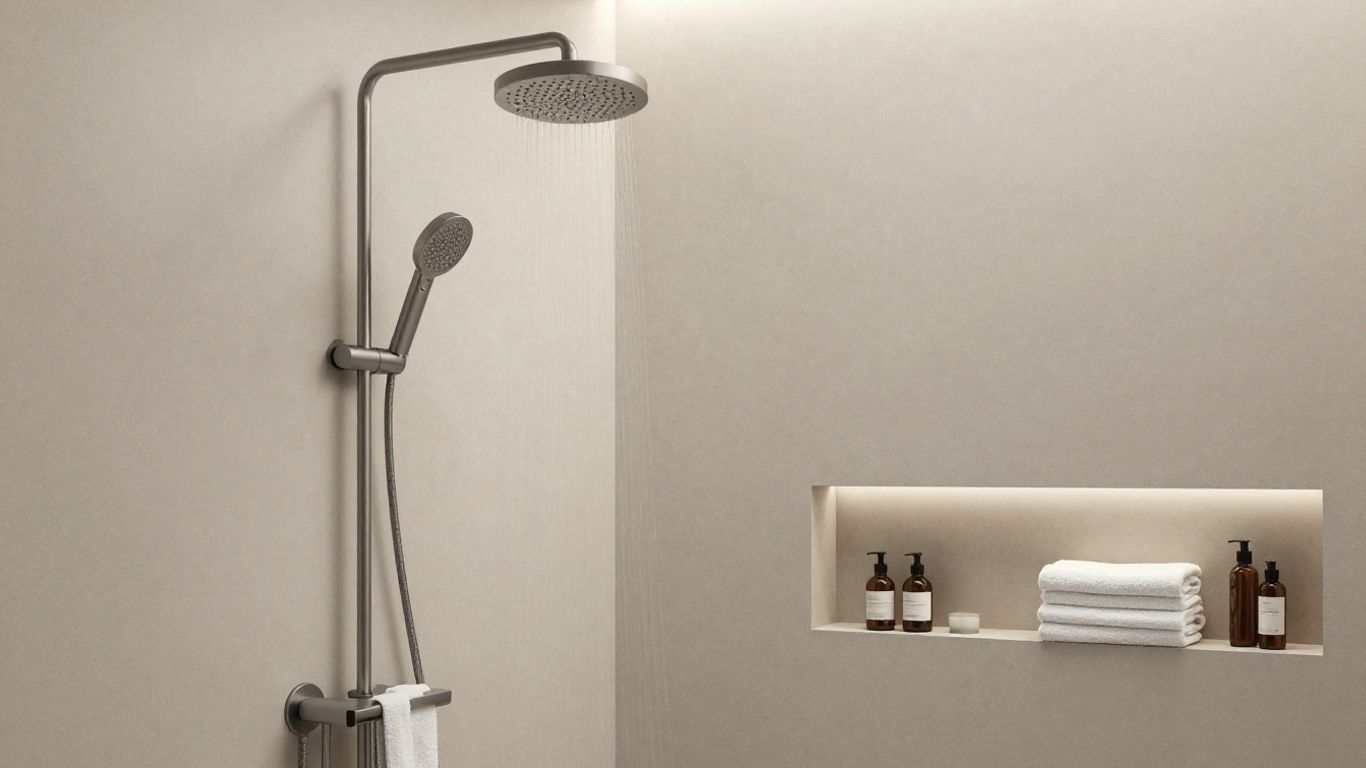
Even the most beautiful shower system can run into snags if you don't think through a few potential issues. Let's talk about what might come up and how to handle it.
Preventing Water Leakage
This is probably the biggest worry for most people when thinking about concealed showers. Nobody wants water finding its way where it shouldn't. The good news is, with careful installation and the right materials, leaks are pretty avoidable.
- Proper Sealing: All the joints, corners, and where pipes meet the wall need to be sealed up tight. Think of it like caulking around a bathtub, but done with professional-grade sealants designed for wet environments.
- Correct Sloping: The shower floor itself needs a slight slope towards the drain. This sounds simple, but it's super important for making sure water goes where it's supposed to and doesn't just sit around.
- Quality Components: Using good quality pipes, fittings, and especially the shower valve itself makes a big difference. Cheaper parts can be more prone to issues down the line.
Remember, the pipes and valve are hidden behind the wall. If a leak starts there, it can cause a lot of damage before you even notice it. That's why getting the installation right the first time is so key.
Managing Mold and Mildew
Moisture is the enemy of a clean bathroom, and mold and mildew love damp, dark places. Concealed systems, with all that hidden pipework, can seem like a breeding ground if you're not careful.
- Ventilation is King: A good exhaust fan is non-negotiable. It needs to be powerful enough to clear out the steam and moisture after every shower. Running it for a bit after you're done is a good habit.
- Material Choices: Opt for materials that don't easily support mold growth. This includes things like specific types of tiles, grout, and sealants that are rated as mold-resistant.
- Regular Cleaning: Even with the best setup, giving your shower a regular wipe-down and keeping it dry when possible will go a long way.
Water Pressure Requirements
This is something people often overlook, especially if they're adding features like body jets or multiple showerheads. Concealed systems, particularly those with more complex valve setups, can have different water pressure needs than a basic shower.
- Check Your Home's Pressure: Before you commit to a system with lots of outlets, get a feel for your home's water pressure. You can buy a simple gauge for this.
- System Compatibility: Not all systems are created equal. Some are designed to work with standard pressure, while others might need a boost, especially if you have a gravity-fed system or a combi boiler that's already working hard.
- Consider a Booster Pump: If your pressure is consistently low and you really want that spa-like experience with multiple jets, a shower pump might be something to look into. It's an extra step, but it can make a huge difference.
Here's a quick look at how different setups might perform:
| Feature | Low Pressure (Gravity Fed) | Medium Pressure (Combi Boiler) | High Pressure (Booster Pump) |
|---|---|---|---|
| Single Showerhead | Okay | Good | Excellent |
| Multiple Outlets | Not Recommended | Fair to Good | Excellent |
| Body Jets | Not Recommended | Fair to Good | Excellent |
Future-Proofing Your Concealed Shower
Thinking ahead when you design and install your concealed shower system means you won't have to worry about it becoming outdated or difficult to use down the line. It's like building a house with room for a future extension – you're setting yourself up for success.
Incorporating Smart Technology
Technology is changing fast, and your bathroom can keep up. Smart showers aren't just a novelty anymore; they offer real benefits. Think about digital controls that let you set the exact water temperature before you even step in, or showerheads with built-in speakers for your morning playlist. Some systems even let you program different user profiles, so everyone in the house gets their perfect shower every time. The goal is to make your shower more convenient and personalized.
- Digital Thermostatic Valves: These allow precise temperature control and can remember your preferred settings.
- Smart Lighting: Integrated LED systems can change color and intensity, creating different moods or providing brighter light for tasks.
- Voice Control Integration: Future systems might allow you to adjust settings hands-free, making operation easier.
Universal Design Principles
Designing for everyone means your shower will be comfortable and safe for people of all ages and abilities, now and in the future. This isn't just about accessibility; it's about good design that works for more people.
- Low Threshold Entry: A minimal or zero-threshold entry makes it easy for anyone to step in, including those with mobility challenges.
- Integrated Grab Bars: These can be built into the design discreetly, offering support without looking out of place.
- Non-Slip Flooring: Choosing materials with good grip is a simple but important safety feature.
- Adjustable Showerheads: Handheld wands on adjustable rails are useful for people of different heights or those who need to sit.
Making your shower universally accessible from the start is often more cost-effective than trying to retrofit it later. It's about creating a space that's comfortable and safe for every member of your household, regardless of age or physical ability.
Selecting Timeless Materials
Trends come and go, but some materials just always look good. When you're picking out tiles, fixtures, and finishes, think about what will still look stylish in ten or twenty years. While bold colors and unique patterns might be exciting now, classic choices tend to age better.
- Natural Stone: Materials like marble or granite offer a sophisticated look that rarely goes out of style. Just be sure they're properly sealed.
- Porcelain Tiles: These come in endless designs, from realistic wood looks to classic stone patterns, and are very durable.
- Brushed Metals: Finishes like brushed nickel or matte black tend to be more forgiving of water spots and fingerprints than polished chrome, and they offer a modern yet enduring aesthetic.
Wrapping It Up
So, we've gone over a lot about these cool concealed shower systems. It's not just about making your bathroom look fancy, though that's a big part of it. We talked about how to actually get one installed, whether you're feeling brave enough to tackle it yourself or if calling in the pros makes more sense for your situation. Remember, planning is key, especially when it comes to things like making sure your water pressure is up to snuff and picking the right valves. Get those details right, and you'll end up with a shower that's not just good-looking but works great too. A well-done concealed shower can really change how you feel about your bathroom, making it a more relaxing spot in your home.
Frequently Asked Questions
What exactly is a concealed shower system?
A concealed shower system is a type of shower where the main working parts, like the pipes and the valve that controls the water temperature and flow, are hidden behind the wall. This means you only see the stylish parts, like the showerhead and the controls on the wall, giving your bathroom a clean and modern look.
How is a concealed shower different from a regular, exposed one?
In a regular shower, you can see all the pipes and the valve attached to the wall. A concealed shower hides these parts inside the wall. This makes the exposed shower look a bit older and can be harder to clean, while the concealed one looks sleek and is easier to wipe down.
What are the main parts of a concealed shower system?
The main parts include a concealed shower valve, which mixes hot and cold water and controls the flow; a showerhead, which can be a rainfall type or a standard one; and the hidden pipework that brings water to these parts. You'll also have the trim pieces, like the handle and showerhead, that are visible.
Is it hard to install a concealed shower system?
Installing a concealed shower system can be tricky because you need to work inside the walls. It's usually best to have a professional plumber do it, especially if you're not experienced with plumbing. They know how to run the pipes correctly and make sure everything is sealed properly to avoid leaks.
What are the benefits of having a concealed shower?
The biggest benefit is how good it looks – it makes your bathroom feel more modern and less cluttered. It's also easier to clean because there are fewer parts for soap scum and grime to stick to. Plus, these systems can offer better control over water temperature and flow for a more comfortable shower.
Can I still get a good water pressure with a concealed shower?
Yes, you can! The water pressure depends more on your home's overall water system than whether the shower is concealed or not. However, it's important to make sure the concealed valve you choose is designed to work well with your home's water pressure. A good installer can help you pick the right one.

