

Extend the Life of Your Bathroom: A Guide to Cleaning and Maintaining Fixtures for Lasting Shine
Keeping your bathroom looking its best doesn't have to be a huge chore. It's all about having a plan and sticking to it. Think of it like this: a little bit of attention regularly can save you a lot of scrubbing later. We'll walk through how to clean and maintain your bathroom fixtures for years of shine, making sure your bathroom stays a pleasant place to be.
Key Takeaways
- A consistent cleaning schedule, mixing daily quick wipes with weekly deeper cleans, prevents buildup.
- Good ventilation is key; use your fan and open windows to cut down on moisture that causes damage.
- Vinegar and water are great for tackling mineral deposits on fixtures, and addressing leaks right away stops bigger problems.
- Protect your bathroom surfaces by using mats, sealing grout annually, and considering a water softener if you have hard water.
- Regularly clean shower curtains and drains, and keep surfaces clear of clutter to make cleaning easier.
Establish a Consistent Cleaning Routine
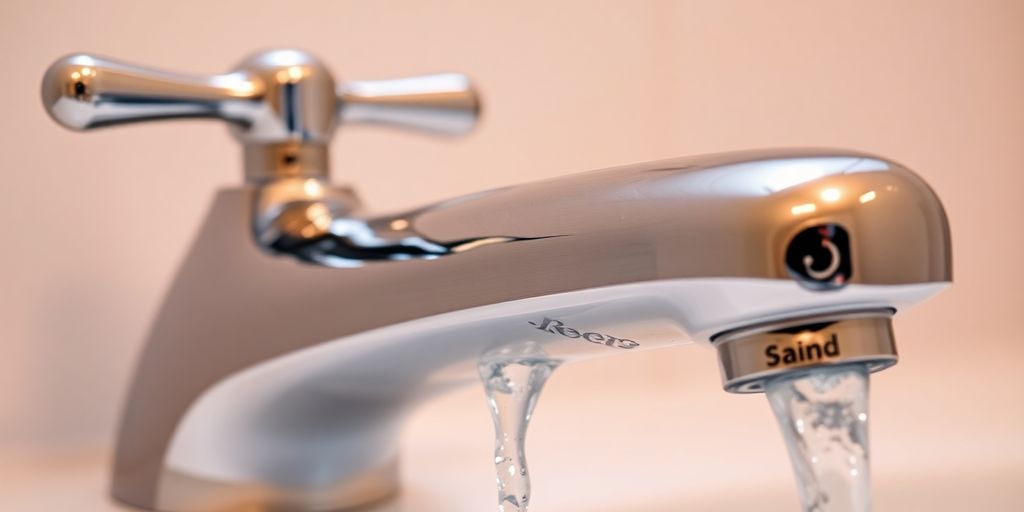
Establishing a consistent cleaning routine is the bedrock of a well-maintained bathroom. Think of it as preventative care for your fixtures and surfaces. It’s not about marathon cleaning sessions; it’s about small, regular efforts that prevent bigger problems down the line. A little bit of tidying each day makes a huge difference over time.
Implement Daily Habits for a Pristine Bathroom
Start your day right by incorporating a few quick habits. After using the sink, give it a quick wipe-down with a microfiber cloth to prevent water spots and toothpaste residue from setting in. If you have a glass shower door, a quick pass with a squeegee after your shower can stop those hard water stains before they even start. Proper towel hanging is also key; avoid just tossing them on the floor or a hook where they can’t dry properly. Spread them out so they can air dry completely.
Tackle Weekly Tasks for Deeper Cleanliness
Once a week, it’s time to get a bit more thorough. This is when you’ll want to give the toilet, sink, and faucets a proper scrub. Don’t forget the shower and bathtub surfaces – these areas often accumulate soap scum and grime. Mirrors and any glass fixtures should also get a good cleaning to remove smudges and water spots. For those often-overlooked grout lines, a gentle scrub with a suitable cleaner can prevent mildew and discoloration.
Address Grout and Tile Carefully
Grout and tile can be magnets for dirt and mildew, especially in damp bathroom environments. For regular maintenance, a simple paste of baking soda and water, applied with a grout brush, works wonders. You can also find specialized grout cleaners that are quite effective at lifting stains and preventing that dingy look. Just remember to test any cleaner on a small, hidden spot first to make sure it doesn't damage the tile or grout. gentle cleaning methods are always best.
Keeping your bathroom clean doesn't have to be a chore. By breaking it down into daily, weekly, and occasional tasks, you can maintain a sparkling space without feeling overwhelmed. It’s all about building good habits.
Master Proper Ventilation for a Healthy Bathroom
Moisture is the silent enemy of any bathroom, and if you don't manage it, you'll end up with mold, mildew, and even damage to your walls and fixtures. It's not just about keeping things looking nice; it's about preventing bigger problems down the road. Good ventilation is your first line of defense against excess humidity.
Maximize Fan Usage During and After Showers
Your exhaust fan is there for a reason! Make sure you're using it effectively. Turn it on before you even step into the shower and let it run for at least 20 minutes after you're done. This helps pull out all that steamy air. If your fan seems a bit weak or you're not sure if it's working right, you might need to look into unclogging your bathroom exhaust fan. A clean fan works much better.
Increase Airflow by Opening Windows
If you have a window in your bathroom, use it! Opening it up, especially when the weather's nice, lets fresh air circulate and pushes out that damp, humid air. Even cracking it open a little bit can make a difference. It's a simple way to get more air moving.
Wipe Down Wet Surfaces to Remove Excess Moisture
This is a quick habit that pays off big time. After you shower or bathe, take a few minutes to wipe down the shower walls, doors, and even the floor if it's wet. A squeegee or a microfiber cloth works great for this. It removes standing water that can lead to mildew and those annoying water spots.
Care for Your Bathroom Fixtures
Your bathroom fixtures, like faucets and showerheads, are the workhorses of the room. Keeping them looking good and working right means a little regular attention. It’s not complicated, but you do need to know what works and what doesn’t.
Use Vinegar and Water for Mineral Deposits
Hard water can leave behind unsightly white or chalky deposits, especially around faucet aerators and showerheads. A simple, effective solution is a 50/50 mix of white vinegar and water. For showerheads, you can often unscrew them and soak them in this mixture for a few hours or overnight. For faucets, soak a cloth in the solution and wrap it around the base or aerator for about 30 minutes. Afterward, scrub gently with an old toothbrush and rinse. This breaks down the mineral buildup without damaging the metal.
Address Leaks Immediately to Prevent Damage
That little drip, drip, drip from a leaky faucet or showerhead isn't just annoying; it's a waste of water and can lead to bigger problems. Constant moisture in one spot can damage the fixture itself, the surrounding countertop, or even the wall behind it. Check for drips regularly, especially after turning fixtures off. If you notice a leak, try tightening connections first. If that doesn't work, it might be time to replace a washer or cartridge. Don't put this off – fixing leaks promptly saves water and prevents costly repairs down the line.
Choose Products Specifically Formulated for Fixture Materials
Not all finishes are created equal. What works for chrome might damage a brushed nickel or matte black finish. Always check what your fixtures are made of before you grab a cleaner. Harsh chemicals, abrasive powders, and rough scrubbing pads can scratch, dull, or even strip the finish. Stick to mild dish soap and water for general cleaning, or look for cleaners specifically labeled for your fixture's material. For example, cleaning matte black kitchen faucets requires a gentler approach than polishing chrome.
Restore Shine with Appropriate Metal Polish
Sometimes, even with regular cleaning, metal fixtures can lose their luster. For chrome, a simple wipe with a soft cloth can often bring back the shine. For brass, copper, or even certain plated finishes, a specialized metal polish can work wonders. Always follow the product instructions carefully. Apply a small amount to a soft cloth and rub gently in the direction of the metal's grain, if applicable. Buff with a clean cloth afterward. Remember to test any polish in an inconspicuous spot first to make sure it doesn't affect the finish.
Protect Your Bathroom Investment
Think of your bathroom as an investment, because it really is. A few simple steps can make a big difference in how long everything looks good and works right. It’s not about fancy stuff, just smart habits.
Place Washable Mats Outside Shower and Near Basins
Putting down a good mat outside your shower or tub is a no-brainer. It catches drips and stops water from spreading all over the floor. Same goes for a mat near the sink. This helps keep your floors from getting water-damaged over time, and honestly, it just feels nicer underfoot than a wet tile.
Apply Grout Sealer Annually for Protection
Your grout lines, those little lines between your tiles, can soak up water and stains like a sponge if they aren't sealed. Giving them a fresh coat of grout sealer once a year creates a barrier. This means less worry about mold and mildew creeping in, and your tile job will look cleaner for longer. It’s a small task that really pays off.
Consider Water Softeners for Hard Water Issues
If you live in an area with hard water, you know all about those chalky white mineral deposits. They can build up on your fixtures, making them look dull and even affecting how they work. A water softener can tackle this problem at the source. It treats the water before it even gets to your faucets and showerheads, cutting down on that stubborn buildup and making cleaning a lot easier. It’s a bigger step, but for hard water areas, it’s a game-changer for keeping everything looking shiny and new. You can learn more about water softener systems if you think this might be the solution for your bathroom.
Taking these small preventative measures can save you a lot of hassle and money down the road. It’s all about being proactive rather than reactive when it comes to your bathroom's upkeep.
Maintain Shower Curtain Hygiene
Keeping your shower curtain clean is more than just about looks; it's about hygiene. Nobody wants a curtain that's got that slimy feel or looks like a science experiment gone wrong. Mold and mildew love damp, dark places, and your shower curtain is basically a five-star resort for them if you're not careful.
Follow Washing Instructions for Machine-Washable Curtains
If your fabric shower curtain is machine washable, this is your easiest route. Always check the care label first. Most can go into the washing machine with your regular towels or bedding. Use a mild detergent and a gentle cycle. For extra oomph against mildew, toss in a couple of old towels to act as scrubbers, and maybe a bit of baking soda or vinegar in the rinse cycle. Just make sure to hang it up to dry completely afterward – don't put it in the dryer unless the label specifically says it's okay, as it can melt or shrink.
Use Vinegar and Water for Plastic Curtains
Plastic or vinyl curtains can't usually go in the washing machine. For these, a simple spray bottle filled with a 50/50 mix of white vinegar and water is your best friend. Spray it down, let it sit for a bit (maybe 10-15 minutes), and then wipe it clean with a damp cloth or sponge. Vinegar is great at breaking down soap scum and killing mold spores. You can also use this mixture to spot-clean any particularly grimy areas. Rinsing the curtain with plain water after cleaning helps get rid of any lingering vinegar smell.
Prevent Soap Scum and Mildew Buildup
The best defense is a good offense, right? After every shower, give your curtain a quick tug to spread it out. This helps it dry faster and prevents those annoying folds where moisture can get trapped. If you have a liner, consider replacing it periodically – they're usually inexpensive and a fresh liner makes a big difference. Keeping the bathroom fan running during and after your shower also helps reduce overall humidity, which is a major factor in preventing mold and mildew growth. A quick wipe-down of the bottom edge of the curtain after showering can also stop that dreaded dark line from forming.
A clean shower curtain contributes to a healthier bathroom environment. Addressing mold and mildew promptly prevents them from spreading to other surfaces like tiles and grout.
Regularly Maintain Fixtures and Faucets
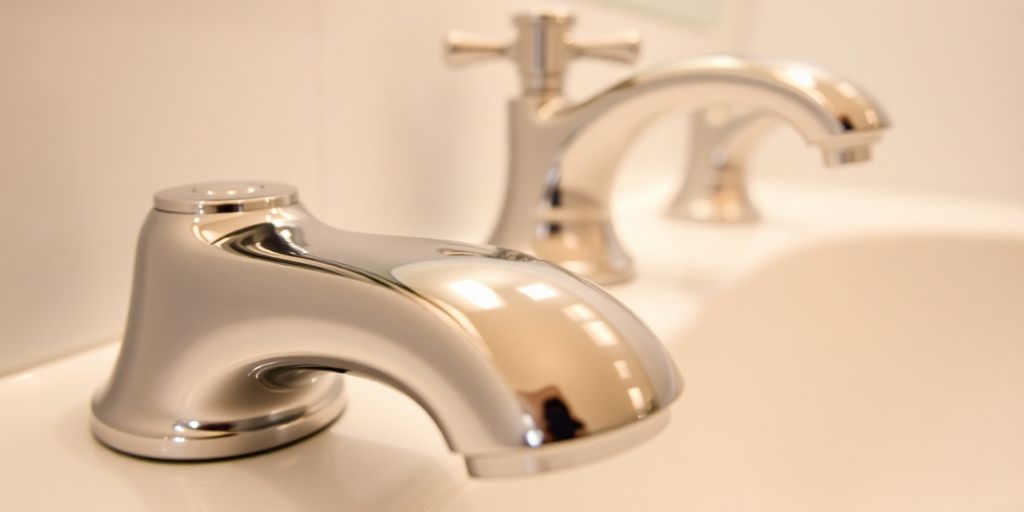
Your bathroom fixtures, especially faucets, are used constantly. Keeping them looking good and working right means a little regular attention. It’s not complicated, really. Just a few simple steps can make a big difference in how long they last and how nice your bathroom looks.
Use a Vinegar-Soaked Cloth for Water Stains
Hard water spots can be a real pain, leaving those chalky white marks on your faucets. A simple solution of equal parts white vinegar and water works wonders. Soak a soft cloth in this mixture, then wrap it around the faucet or any affected areas for about 15-30 minutes. The acidity of the vinegar helps break down the mineral deposits. After soaking, gently scrub with the cloth or a soft-bristled brush, then rinse thoroughly with clean water and dry completely. This is a gentle way to tackle buildup without damaging the finish.
Give Faucets Regular Care for a Sparkling Result
Making sure your faucets stay shiny and functional is pretty straightforward. A quick daily wipe-down with a soft, dry cloth after use can prevent water spots and mineral buildup from even starting. It sounds too simple, but it really works. For a deeper clean, use a mild soap and water solution. Avoid abrasive cleaners or harsh chemicals, as these can scratch or dull the finish over time. If you notice any drips, fix them right away. Even a small leak wastes water and can lead to bigger problems down the line.
Tips for Maintaining Your Bathroom Faucet
Different faucet materials need slightly different care, but the basics are the same: gentle cleaning and prompt attention to issues. For instance, if you have chrome fixtures, a simple polish with a soft cloth can restore their shine. For brushed nickel, be careful not to use anything too abrasive that could ruin the brushed look. Always check the manufacturer's recommendations for your specific faucet type.
Here’s a quick rundown of what to do:
- Daily Wipe: Use a soft cloth to dry the faucet after each use. This is the best defense against water spots.
- Weekly Clean: Use a mild soap and water solution. Rinse well and dry thoroughly.
- Tackle Buildup: For mineral deposits, use the vinegar and water soak mentioned earlier.
- Address Leaks: Don't ignore drips. Check the aerator for clogs and tighten connections if needed. If you’re unsure, call a plumber.
Remember, consistent, gentle care is the best way to keep your bathroom fixtures looking great and working perfectly for years to come. It’s much easier than dealing with damage later on. For more on keeping your bathroom pristine, check out our guide on maintaining shower curtains.
Organize and Minimize Clutter
Let's face it, a cluttered bathroom makes cleaning feel like an uphill battle. Before you even think about scrubbing, take some time to sort through your items. This isn't just about making things look neat; it's about making your cleaning routine actually work. When everything has a place, you can easily access surfaces and get to the nooks and crannies that often get missed.
Use Organizers and Storage Solutions
Think about how you can best use the space you have. Small bathrooms can benefit a lot from vertical storage. Consider adding shelves above the toilet or using tiered caddies in the shower. Drawer dividers are also a game-changer for keeping small items like makeup or first-aid supplies from becoming a jumbled mess. For things like hair dryers or curling irons, wall-mounted holders can keep them tidy and out of the way. Even simple things like matching baskets for toiletries can make a big difference in how organized your bathroom feels. It's all about giving each item a designated spot.
Simplify Cleaning by Decluttering Surfaces
When you're ready to clean, having clear countertops and shelves makes the job so much faster. Take everything off the surfaces and give them a quick wipe down. Put back only the essentials. Store extra toiletries, cleaning supplies, or spare towels in cabinets or linen closets. This simple step means you're not constantly moving things around to clean, and you can get straight to the actual cleaning. It really cuts down on the time spent and makes the whole process less of a chore. A tidy space is a clean space, after all. You can find some great bathroom organizing tips to get you started.
Prevent Drain Clogs and Leaks
Nobody likes a slow-draining sink or a backed-up shower. It's messy, it smells, and it can lead to bigger problems if you let it go. Taking a few simple steps can save you a lot of hassle down the road.
Use Drain Catchers to Trap Hair and Debris
This is probably the easiest thing you can do. Pop a drain catcher into your shower and sink drains. They're cheap and they do a great job of grabbing all that hair and soap bits before they can get stuck further down the pipe. You'll be surprised how much gunk they collect. Just remember to clean them out regularly – maybe every few days or once a week, depending on how much you use that drain. It’s a small habit that makes a big difference in preventing clogs.
Clean Drains with Baking Soda and Vinegar
So, you've got a bit of a slow drain, or maybe you just want to do some preventative maintenance. Grab some baking soda and white vinegar. Pour about half a cup of baking soda down the drain, followed by about a cup of vinegar. It'll fizz and bubble – that's the reaction working to break down gunk. Let it sit for about 15-30 minutes, then flush it all down with hot water. Seriously, this stuff works wonders for keeping things clear. It’s a natural way to tackle buildup without harsh chemicals.
Check for and Repair Leaks Promptly
Leaks aren't just annoying because of that constant drip, drip, drip. They can waste a surprising amount of water and, more importantly, cause damage to your cabinets, floors, and walls if left unchecked. Keep an eye out for any drips under your sink, around the base of the toilet, or near the shower. Even a small leak needs attention. If you notice a leak, try to tighten fittings first. If that doesn't work, or if you're not comfortable doing it yourself, it's best to call a plumber. Fixing leaks early is way cheaper than dealing with water damage later. It's also a good idea to check your toilet's water supply line for any signs of wear or leaks.
Addressing minor plumbing issues as they arise is key to maintaining a functional and pleasant bathroom. Ignoring small problems can lead to much larger, more expensive repairs down the line.
Keep Your Bathroom Looking Great
So, there you have it. Taking care of your bathroom doesn't have to be a huge chore. A little bit of regular cleaning and a few smart habits can really make a difference in how long everything stays looking good. From wiping down the sink after you use it to making sure your fixtures are clean and your grout is sealed, these small steps add up. It’s really about being consistent. By putting in a little effort now and then, you can avoid bigger problems later and keep your bathroom feeling fresh and looking its best for years to come. It’s way easier than dealing with a big mess down the road.
Frequently Asked Questions
What's the best way to keep my bathroom clean regularly?
To keep your bathroom looking its best, try to do a quick wipe-down of sinks and counters every day. Once a week, give the toilet, shower, and floor a good scrub. This regular cleaning stops dirt and mildew from building up.
How can I make sure my bathroom has good air circulation?
Using your bathroom fan during and for about 20 minutes after showering helps a lot. If you can, open a window too. Wiping down wet surfaces like shower walls and doors after use also stops moisture from causing problems.
What should I use to clean mineral deposits and keep fixtures shiny?
For mineral spots on faucets and showerheads, a mix of equal parts vinegar and water works wonders. Just soak a cloth in it and wrap it around the fixture for a bit. For tougher spots or to bring back shine on metal, use a polish made for that specific material.
Are there any special ways to protect my bathroom surfaces?
Putting washable mats outside the shower and near the sink can catch water and dirt. Sealing your grout once a year creates a shield against moisture and stains. If you have hard water, a water softener can stop minerals from building up on everything.
How do I keep my shower curtain clean and fresh?
For fabric shower curtains, always check the washing instructions. For plastic ones, a solution of vinegar and water is great for cleaning and preventing mold. Try to prevent soap scum and mildew from forming in the first place by keeping things dry.
What are some easy tips for making my faucets look great?
To tackle water stains on faucets, try using a cloth soaked in vinegar. For a really sparkling finish, give your faucets regular attention with gentle cleaners. A little bit of consistent care makes a big difference in how they look and last.

