

Elevate Your Bathroom with the Perfect Freestanding Bathtub Faucet
Thinking about a new freestanding bathtub faucet? It's a big decision that can really change the look and feel of your bathroom. These aren't your typical faucets; they stand on their own, usually right next to a tub that also stands on its own. They can look super fancy, modern, or even a bit old-school, depending on what you pick. We'll walk through how to pick the right one, where it fits best, and how to make sure it looks amazing in your space.
Key Takeaways
- Freestanding bathtub faucets are independent fixtures installed in the floor, ideal for standalone tubs and offering design flexibility.
- Consider material (like brass or stainless steel) and finish (matte black, chrome, etc.) to match your bathroom's style and other fixtures.
- Ensure the faucet's height and reach are suitable for your specific bathtub, and check the flow rate for efficient filling.
- Installation often requires professional help, especially with concrete floors or complex plumbing, to ensure a secure and leak-free setup.
- Strategic placement, good lighting, and a contrasting backdrop can significantly boost the visual impact of your freestanding bathtub faucet.
Understanding Freestanding Bathtub Faucets
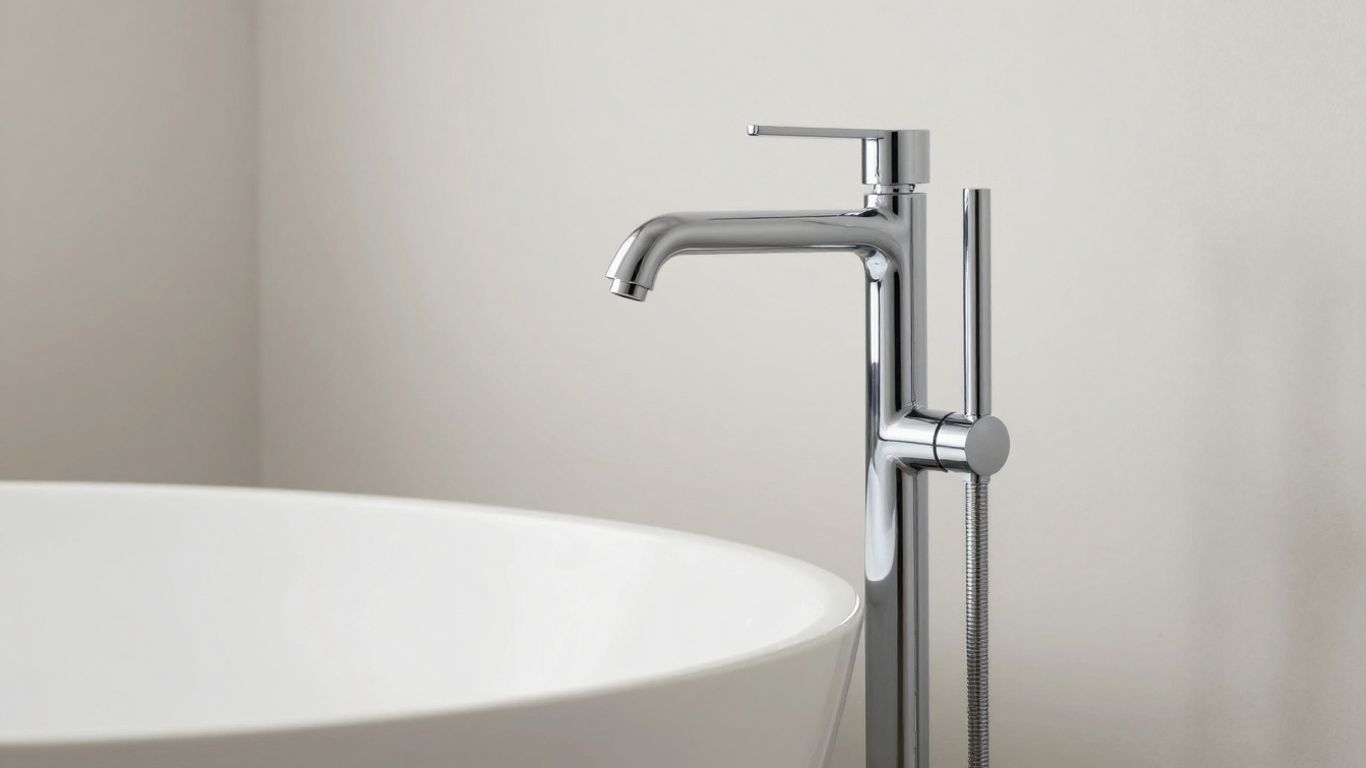
What Defines a Freestanding Tub Faucet?
Freestanding tub faucets, often called floor-mounted tub fillers, are plumbing fixtures that stand on their own, separate from the bathtub and the wall. Unlike the faucets you see attached to the tub's edge or coming out of the wall, these are installed directly into the floor. This makes them the perfect match for those stylish standalone bathtubs that have become so popular. They really change the whole look of a bathroom, making it feel more open and intentional.
The Versatility of Freestanding Faucet Designs
These faucets aren't just functional; they're also design pieces. You can find them in all sorts of styles. Some have really clean, modern lines that fit right into a minimalist bathroom. Others have a more classic, vintage vibe, sometimes with cool textures or finishes that remind you of older homes. They come in different materials and finishes too, like matte black, brushed nickel, shiny chrome, or even a warm oil-rubbed bronze. This variety means you can usually find one that perfectly matches whatever look you're going for in your bathroom.
Here are some common styles you'll see:
- Modern: Sleek, simple designs with straight lines and minimal ornamentation.
- Traditional/Vintage: Often feature curves, decorative handles, and sometimes a more ornate base.
- Transitional: A blend of modern and traditional, offering a balanced look that fits many decors.
Key Benefits of Choosing a Freestanding Faucet
So, why pick a freestanding faucet? Well, it's not just about looks, though they certainly add a touch of class. There are some practical perks too.
- Placement Freedom: Since they're floor-mounted, you're not stuck putting your tub against a wall. You can place it almost anywhere, like in the middle of the room or by a window, which really opens up design possibilities.
- Easier Maintenance: Compared to faucets hidden behind walls, these are generally easier to get to if something needs fixing. Less hassle with tile or drywall.
- Design Statement: These faucets act like a piece of sculpture, adding a strong visual element that draws the eye and defines the bathing area. They really make a statement about your style.
- Works with Many Tubs: They're pretty adaptable and can look great with different types of freestanding tubs, whether they're round, rectangular, or have a classic clawfoot.
When you're thinking about a freestanding tub faucet, remember it's a significant design choice. It's not just about turning on the water; it's about how the fixture looks and feels in your space. Planning where it will go and how it fits with your tub is key to getting that high-end, spa-like feel.
Where to Install Your Freestanding Bathtub Faucet
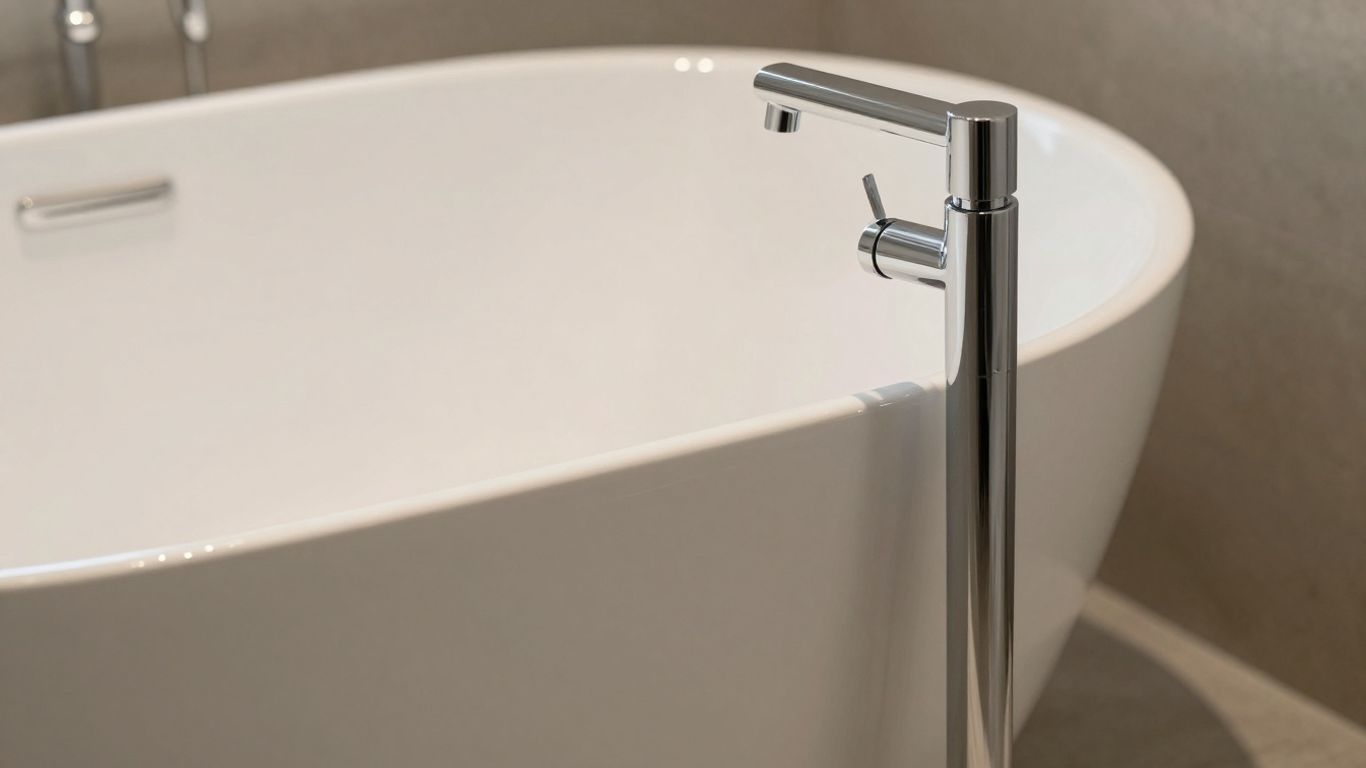
So, you've picked out a gorgeous freestanding tub, and now you're eyeing those sleek faucets. But wait, where does this thing actually go? It's not as simple as just sticking it anywhere. The placement of your freestanding tub faucet is a big deal, affecting everything from how easy it is to use to how your whole bathroom looks. Get it wrong, and you might end up with a tripping hazard or a faucet that's a pain to reach. Get it right, and it becomes a beautiful, functional centerpiece.
Ideal Settings for Freestanding Faucets
Freestanding tub faucets really shine when they have a bit of room to breathe. They're perfect for bathrooms where the tub isn't pushed up against a wall. Think of tubs placed in the middle of the room or floating near a window. This setup gives the faucet space to stand tall and look impressive, almost like a piece of art. It works especially well with tubs that are round or oval, allowing for a balanced, symmetrical look.
- Center of the Room: Ideal for large bathrooms where the tub is the main event.
- Near a Window: Creates a spa-like feel, with the faucet as a stylish accent.
- Away from Walls: Maximizes the tub's freestanding nature and the faucet's visual impact.
Maximizing Small Bathrooms with Focal Points
Even in a smaller bathroom, a freestanding faucet can be your best friend. Instead of making the space feel cramped, a well-placed faucet can actually draw the eye and make the room feel more intentional. Imagine a tall, slender faucet standing next to a compact freestanding tub in a corner. It creates a distinct bathing zone and a strong focal point, making the most of limited square footage. It's all about making a statement without taking up unnecessary space.
Don't let a small bathroom discourage you. A freestanding faucet can act as a visual anchor, guiding the eye and creating a sense of purpose in your bathing area. It's about smart design, not just size.
Leveraging Layout Flexibility in Renovations
When you're renovating, the flexibility of a freestanding faucet is a huge plus. Unlike wall-mounted or deck-mounted options, you're not as tied to existing plumbing locations. This means you can rethink your entire bathroom layout. Want the tub in a spot that was previously just empty floor space? A floor-mounted faucet can make that happen. It opens up possibilities for creating a more functional and aesthetically pleasing flow in your bathroom, especially if you're dealing with an older home or an awkward existing setup.
Here are some common installation types to consider:
- Floor-Mounted: The faucet installs directly into the floor next to the tub. This offers the most design freedom but requires plumbing to be run under the floor. It's great for tubs placed away from walls.
- Wall-Mounted: The faucet comes out from the wall behind or beside the tub. This saves floor space but requires careful planning for plumbing behind the wall and might limit tub placement.
- Deck-Mounted: The faucet is installed on the rim of a tub that has a built-in deck. This is less common for true freestanding tubs but can be an option if your tub has a suitable edge. It's often the simplest to install if the plumbing is already there.
Selecting the Perfect Freestanding Bathtub Faucet
So, you've decided on a freestanding tub – nice choice! Now, let's talk about the faucet. This isn't just about turning on the water; it's a major design element. Picking the right one can really make or break the whole look of your bathroom. It’s like choosing the perfect accessory for an outfit, you know?
Material and Finish Considerations
When you're looking at freestanding faucets, the material and finish are super important. You want something that’s built to last and looks good doing it. Solid brass or stainless steel are usually the way to go for durability. They just feel more substantial, and honestly, they hold up better over time. Then there's the finish. This is where you can really tie your bathroom together. Think about what other fixtures you have – your showerhead, your towel bars, even your cabinet hardware. You'll want the faucet to either match or at least complement them.
Here are some popular finishes and what they're good for:
- Matte Black: This is a go-to for modern and minimalist bathrooms. It's sleek and makes a statement without being too flashy.
- Brushed Nickel: A really versatile option. It has a warm, soft look that works with almost any style, from contemporary to a bit more traditional.
- Polished Chrome: You can't go wrong with chrome. It's classic, reflects light beautifully, and always looks clean and bright.
- Oil-Rubbed Bronze: If you're going for a vintage, rustic, or even an industrial vibe, this finish is fantastic. It has a rich, dark look with hints of warmth.
Choosing the right finish is about more than just looks; it's about creating a cohesive space where every element feels intentional. It's the little details that make a big difference in how a bathroom feels.
Faucet Height, Reach, and Flow Rate
Okay, so beyond looks, you've got to think about the practical stuff. The height and reach of the faucet spout are critical for usability. You don't want to be awkwardly reaching over the tub edge or splashing water everywhere. Always measure your tub – both its height and its width – before you even start looking at faucets. You need to make sure the spout will comfortably clear the tub's rim and extend far enough into the basin. Also, consider the flow rate. Big tubs take a while to fill, so a faucet with a decent flow rate will save you time and make the whole experience more enjoyable. Check what your home's water pressure can handle, too.
The Convenience of Hand Shower Features
Lots of freestanding faucets come with a little extra something: a hand shower. This is one of those features you might not think you need until you have it. It's super handy for rinsing off after a bath, washing your hair without leaning back awkwardly, or even just for cleaning out the tub itself. It adds a layer of functionality that can really make your bathing routine easier and more comfortable. It's a small addition that offers a big boost in convenience, especially if you're someone who likes to really get clean or if you have kids or pets that need a quick rinse.
| Feature | Benefit |
|---|---|
| Height & Reach | Comfortable filling, prevents splashing, fits tub dimensions. |
| Flow Rate | Fills tub quickly, saves time, compatible with home water pressure. |
| Hand Shower | Easy rinsing, hair washing, tub cleaning, added convenience. |
When you're looking at different models, don't forget to check out the floor-mount options available. They really offer a lot of flexibility in how you place your tub and faucet.
Achieving a Cohesive Bathroom Aesthetic
So, you've picked out that gorgeous freestanding tub faucet. Awesome! Now, how do you make sure it all looks good together? It’s not just about the faucet itself, but how it plays with everything else in your bathroom. Think of it like putting together an outfit – the shoes, the belt, the whole deal. You want it to feel intentional, right?
Matching Faucets with Bathroom Styles
Your faucet is a big player in setting the mood for your bathroom. Is your space aiming for that sleek, modern vibe? Then maybe a matte black or polished chrome faucet would fit right in. If you're going for something more traditional or maybe a bit rustic, an oil-rubbed bronze finish could be just the ticket. It's all about finding that piece that speaks the same language as your tiles, your vanity, and even your towels.
- Modern: Clean lines, geometric shapes. Think polished chrome, matte black, or brushed nickel.
- Traditional: Classic curves, ornate details. Oil-rubbed bronze or polished brass often work well here.
- Farmhouse/Rustic: Warm tones, slightly aged look. Matte black or brushed nickel can complement this style.
- Transitional: A mix of old and new. Brushed nickel or polished chrome offer versatility.
Complementary Accessories and Decor
Once the faucet is chosen, it’s time to think about the supporting cast. You don't want your faucet to feel like it's on an island all by itself. Look for towel racks, drawer pulls, or even light fixtures that share a similar finish or design language. If your faucet has a brushed nickel finish, finding a towel bar with the same brushed nickel can really tie the room together. It’s these little details that make a big difference in making the space feel put-together.
Consistency in your finishes and materials is key. It creates a visual flow that makes the entire bathroom feel more intentional and less like a collection of random items. Even small touches, like matching hardware on your vanity or a soap dispenser in a similar tone, contribute to a unified look.
Creating a Spa-Like Ambiance
Who doesn't love that feeling of stepping into a high-end spa? You can bring some of that tranquility home. A freestanding tub faucet, especially one with a hand shower feature, adds a touch of luxury that just screams relaxation. Pair it with soft towels, maybe a few well-placed plants, and some calming colors on the walls. The right faucet can truly transform your bathroom from a functional space into a personal retreat. Think about how the water flows from the spout – is it a gentle cascade or a strong stream? This can add to the sensory experience. For a truly luxurious feel, consider a faucet with a wider spout that mimics a waterfall effect, like some of the stylish, retro freestanding bathtub ideas you might find.
| Feature | Impact on Ambiance |
|---|---|
| Finish | Sets the overall tone (modern, classic, warm, cool) |
| Hand Shower | Adds practicality and a touch of luxury |
| Spout Design | Influences water flow and visual appeal |
| Complementary Accents | Unifies the space and reinforces the chosen style |
Installation and Practical Considerations
So, you've picked out the perfect freestanding tub faucet – awesome! Now comes the part where we talk about actually getting it in there. It's not just about looks; this stuff needs to work right and not cause headaches down the road. Let's break down what you need to think about before you start drilling or calling in the pros.
Understanding Installation Requirements
Getting a freestanding tub faucet installed isn't quite like screwing in a regular sink faucet. You've got a few main ways these things get hooked up, and each has its own set of needs. The big three are floor-mounted, wall-mounted, and deck-mounted.
- Floor-Mounted: This is probably what most people picture – the faucet stands on its own next to the tub, with water lines running up from the floor. It gives you tons of freedom for placing your tub anywhere, even in the middle of the room. But, running those lines through the floor can be a pain, especially if you have a concrete slab. It often means more work and cost.
- Wall-Mounted: Here, the faucet comes right out of the wall behind the tub. This can look super sleek and keeps the floor clear. The catch? Your plumbing needs to be set up in the wall already, or you'll need to do some serious re-routing. It's not always an option if your existing plumbing is under the floor.
- Deck-Mounted: Some freestanding tubs have a built-in ledge or 'deck' where the faucet can be installed. This is often the simplest setup if your tub supports it, as the plumbing is usually integrated into the tub itself. The downside is you're limited by the tub's design, and repairs can sometimes mean messing with the tub itself.
Before you commit to any faucet, check where your existing water lines are and how accessible they are. This is often the biggest deciding factor.
When to Call a Professional Plumber
Look, I'm all for DIY, but plumbing can get tricky fast. If you're not comfortable with running new water lines, dealing with shut-off valves, or making sure everything is sealed perfectly, it's probably time to call in a licensed plumber. They know the codes, they have the right tools, and they can spot potential problems before they become expensive disasters. This is especially true for floor-mounted systems where you're cutting into your floor, or if you need to move existing pipes. A pro can also help you figure out the best placement based on your home's structure and your plumbing setup, saving you a lot of guesswork.
Ensuring a Secure and Stable Fixture
Nobody wants a wobbly faucet. Whether it's floor-mounted or wall-mounted, stability is key. For floor-mounted faucets, there's usually a mounting plate that needs to be securely fastened to the subfloor. Make sure all bolts are tight and the base is flush. For wall-mounted ones, the rough-in valve needs to be anchored firmly within the wall cavity. A loose faucet isn't just annoying; it can lead to leaks and damage over time. Always test the fixture for any movement after installation. If it feels unsteady, revisit the mounting hardware and connections. It’s also smart to leave a little wiggle room around the base for future maintenance, just in case a repair is ever needed down the line.
Maximizing the Visual Impact of Your Faucet
So, you've picked out a killer freestanding tub faucet. Awesome! But just having it isn't enough, right? We want it to look good. It's not just about turning water on and off; it's about making that faucet a real statement piece in your bathroom. Think of it like the jewelry for your tub. Getting the placement and how it fits with everything else just right can totally change the whole vibe of the room.
Strategic Faucet Placement
Where you put that faucet matters a lot. It's not just about reaching the tub; it's about how it looks. For tubs that are symmetrical, like ovals or circles, putting the faucet right in the middle or at one end usually works best. It just feels balanced. But if your tub has a unique shape, like a slipper tub, you might need to put the faucet a bit off to the side. This can look better and also be more practical.
- Consider the tub's shape: Does it have clean lines or curves? Match the faucet's style to complement it.
- Think about the water flow: Before you commit, maybe use a hose to see where the water will land. You don't want it splashing everywhere or hitting the wrong spot.
- Check the reach: Make sure the spout extends far enough to clear the tub's edge, especially if your tub is deep or wide. Nobody wants to fill a tub awkwardly.
Using Lighting to Highlight Design
Lighting can really make your faucet pop. Imagine a sleek, modern faucet in brushed nickel. If you have a spotlight hitting it just right, it becomes a focal point. Or maybe you have a more ornate, vintage-style faucet; warm, diffused lighting can make it look even more luxurious. It’s about creating a mood.
- Accent lighting: A small, focused light can draw attention directly to the faucet.
- Ambient lighting: General room lighting should be soft enough not to wash out the faucet's details.
- Task lighting: If you have a hand shower, make sure there's enough light to use it easily.
Creating Contrasting Backdrops
What's behind your faucet? That's your backdrop, and it's super important. If you have a really bold, dark faucet, putting it against a light-colored tile can make it stand out. Or, if your faucet is a bright chrome, a darker wall color can make it gleam. It’s all about making the faucet the star of the show.
The goal is to make your faucet feel like it belongs there, not just stuck on. It should look intentional, like you thought about every little detail to make your bathroom look amazing. Sometimes, the simplest choices in placement and how things look together make the biggest difference.
Here's a quick look at how different finishes can play with backdrops:
| Faucet Finish | Best Backdrop Colors | Visual Effect |
|---|---|---|
| Matte Black | White, Light Gray | Modern, bold, stands out |
| Polished Chrome | Dark Blue, Charcoal | Sleek, reflective, adds a touch of glam |
| Brushed Nickel | Beige, Cream | Soft, sophisticated, blends well |
| Oil-Rubbed Bronze | Light Tan, Off-White | Warm, classic, earthy tones |
| Polished Brass | Deep Green, Navy | Luxurious, vintage, rich and inviting |
Final Thoughts
So, picking out the right faucet for your freestanding tub is a pretty big deal. It's not just about looks, though that's a huge part of it. It's about making sure it works well with your tub and your bathroom's whole vibe. When you get it right, it really makes the room feel special, like a little escape. Think about how you'll use it every day, and what kind of style you're going for. With so many cool options out there, you can definitely find one that makes your bathroom feel more like a spa and less like just another room. It’s a nice way to add both style and function to your space.
Frequently Asked Questions
What exactly is a freestanding bathtub faucet?
A freestanding bathtub faucet, also called a floor-mounted tub filler, is a faucet that stands on its own and is installed right into the floor next to your tub. Unlike faucets that are attached to the wall or the edge of the tub, these are completely separate. They are the perfect match for bathtubs that stand alone, not pushed up against a wall.
Where is the best place to put a freestanding tub faucet?
These faucets look great in many spots! They are ideal for fancy master bathrooms where the tub is the main attraction. They also work well in modern or simple-looking bathrooms. Even in smaller bathrooms, they can be used to make the tub a standout feature. If you're changing your bathroom layout during a remodel, they give you lots of freedom for where to put the tub.
What materials and finishes are common for these faucets?
You'll find freestanding faucets made from strong materials like solid brass or stainless steel. For finishes, popular choices include matte black for a modern look, brushed nickel for a soft feel, shiny chrome that never goes out of style, and oil-rubbed bronze for a vintage vibe. It's usually best to pick a finish that matches the other metal parts in your bathroom.
Do freestanding faucets come with extra features like a hand shower?
Yes, many freestanding faucets include a handy hand shower! This is super useful for rinsing your hair, washing off after a bath, or even just cleaning the tub itself. It adds an extra layer of convenience to your bathing experience.
Is installing a freestanding tub faucet difficult?
Installing one can be a bit tricky because it involves plumbing work in the floor. It's often best to hire a professional plumber, especially if you have a concrete floor, are moving existing pipes, or just want to be sure everything is installed perfectly and won't leak. A secure installation is key!
How can I make my freestanding faucet stand out?
To really show off your faucet, place it where it can be seen when you walk into the room. Use lighting to shine a spotlight on its design and finish. Also, consider the wall or background behind it – a contrasting color or texture can make the faucet pop even more, turning it into a real showpiece.

