

Discover the Best Basin Taps: Your Ultimate Buying Guide for 2025
So, your bathroom basin taps have seen better days, huh? Maybe they're leaking, or maybe you just want something that looks a bit more… well, *you*. Picking out new taps can feel like a lot, with all the different styles, finishes, and fancy features out there. But don't sweat it. We're here to help you find the best basin taps for your bathroom, whether you're going for a total makeover or just a simple refresh. Let's figure out what works for your space and your budget.
Key Takeaways
- When choosing basin taps, think about the overall style of your bathroom. Do you want something modern and sleek, or more traditional and classic?
- Don't forget to check your home's water pressure. Low-pressure systems need specific taps designed to work well with a weaker flow.
- Consider how easy the taps are to use. Single-handle or touchless options can be great for accessibility and convenience.
- The finish of your tap matters – polished chrome, matte black, or brushed nickel can all change the look of your bathroom.
- Standard plumbing connections are usually 1/2 inch, but always double-check the number and spacing of holes on your sink before buying.
1. Single Taps
Single taps, often called mixer or monobloc taps, are probably what you're most familiar with. They have one hole in the back of the basin for the spout and a single handle or lever to control both water flow and temperature. You just move the lever left for hot, right for cold, and up or down to adjust the pressure.
These are a really common choice because they're straightforward to use and usually pretty easy to install, especially if you're just swapping out an old single tap. They work well for everyday tasks like washing your hands or quickly rinsing something.
If you're replacing an older tap that had two holes, you might need a little plate, called an escutcheon, to cover up the extra holes.
Here's a quick look at what makes them tick:
- Simplicity: One lever does it all.
- Installation: Generally a breeze if you're replacing a similar type.
- Cost: They tend to be quite budget-friendly, often falling between $30 and $120.
While single taps are great for many situations, they might not be the best fit if you're going for a super modern look with a vessel sink or have a tiny cloakroom basin. They're designed for basins with just one pre-drilled hole.
They're a solid, no-fuss option for many bathrooms.
2. Pillar Taps
Pillar taps are that classic two-tap setup you might remember from older homes. You've got one tap for hot water and another for cold, each with its own little spout. Sometimes, you'll see a more modern take where a bridge connects the two pillars, leading to a single spout. They're a good choice if you're aiming for that vintage bathroom vibe or need to replace an old set without drilling new holes.
These taps give you direct control over hot and cold water separately. Need just a bit of hot water for a quick rinse? No problem. It's a simple system that's been around forever.
- Great for maintaining an authentic vintage look.
- Allows precise control over hot and cold water flow.
- Can be quite affordable, especially simpler designs.
Installation is usually pretty straightforward, similar to a single mixer tap, especially if you're using modern flexible hoses. However, if you're upgrading from really old plumbing, you might want to call in a plumber just to be safe.
While pillar taps offer a distinct aesthetic, they might not be the most practical choice for busy modern households, especially those with young children or individuals who find turning handles difficult. The separate controls mean you have to be more mindful of water temperature to avoid scalding.
They're not the best fit for very small sinks or vessel sinks, and if you're looking for something super easy to use with limited hand strength, you might want to look at other options.
3. Wall-Mounted Taps
Wall-mounted taps are a bit of a modern twist on how we usually see faucets. Instead of sitting on the edge of your sink or countertop, these get screwed directly into the wall behind the basin. This means all the plumbing pipes are hidden away, which can make a pedestal sink look really clean and fancy. Most of these have a single lever to control both hot and cold water, but you can find some that use three holes, similar to older styles.
This setup really opens up your countertop space and gives your bathroom a sleek, contemporary feel.
Here's a quick look at what makes them stand out:
- Aesthetic Appeal: They offer a minimalist look, freeing up counter space and making cleaning easier.
- Space Saving: Ideal for smaller bathrooms or powder rooms where every inch counts.
- Modern Design: They contribute to a clean, uncluttered, and up-to-date bathroom appearance.
Installation can be a bit more involved than standard taps, often requiring a plumber and potentially some wall work like tiling or patching. Because of this, they can also be more expensive upfront. However, the clean look and extra counter space are big draws for many people.
When considering wall-mounted taps, think about the overall bathroom design. They pair exceptionally well with modern vanities and minimalist aesthetics, but might feel out of place in a very traditional setting. The installation process is key; factor in potential wall modifications and professional help to achieve that seamless look.
4. Infrared Taps
You know those taps you see in public restrooms where you just wave your hand and water starts flowing? You can totally get those for your own bathroom. Infrared taps use a little sensor to see when your hands are in the basin, and then they turn on the water. They usually run on batteries or are wired into your home's electricity. The best part is that the temperature is set beforehand, so no one gets surprised by super hot or cold water. Plus, when you pull your hands away, the water just stops. It’s pretty neat for keeping things hygienic since nobody has to touch any handles.
However, there are a couple of things to keep in mind. You can't really adjust the temperature on the fly, and you can't fill up the sink for, say, soaking a shirt. You also need to make sure the batteries are fresh or that the wiring is all set up. They can be a bit pricier than your average tap, too.
Here's a quick rundown:
- Hygiene: No touching means fewer germs passed around.
- Water Saving: They shut off automatically, so no water is wasted.
- Safety: Preset temperatures mean no accidental scalding.
While they're a fantastic choice for busy powder rooms or for households with young children where hygiene and safety are top priorities, they might not be the best fit if you often need to fill your sink or want precise temperature control.
These taps are a smart move for a high-traffic cloakroom, but maybe not the first pick for your main bathroom if you like having full control over your water.
5. Tall Taps
Tall taps, sometimes called high-rise taps, are a popular choice when you've got a vessel sink. You know, the kind that sits right on top of your counter? Because these sinks are higher than a standard drop-in or undermount sink, you need a tap that's got some extra height to reach over the edge and still give you enough room to wash your hands comfortably underneath.
Most tall taps look pretty similar to standard single taps, just with a lot more vertical space. We're talking around 300mm in height, compared to the more common 150mm. The installation and how they work are generally the same as their shorter counterparts. You might even consider a tall tap for a regular basin if you find yourself needing to fill up buckets or pitchers often.
They're a practical solution for creating usable space and a modern look.
- Perfect for Vessel Sinks: Their height is specifically designed to clear the high edges of vessel sinks.
- Easy Operation: Typically featuring a single handle, they're straightforward to use for temperature and flow control.
- Versatile Use: While ideal for vessel sinks, they can also be useful for standard basins if you frequently need to fill larger containers.
While tall taps are great for vessel sinks, they can sometimes make a splash if the water stream hits the basin too directly. It's worth considering the angle and flow of the water when you're picking one out.
Expect to spend anywhere from about $80 to $200 for a decent tall tap, depending on the brand and finish. You can find some really nice options that won't break the bank, like the Moen Adler Single-Handle High Arc Pulldown Kitchen Faucet, which offers great value [8d21].
6. Small Taps
Sometimes, you just don't have a lot of space to work with, right? Think about those tiny cloakrooms tucked under the stairs or a compact guest bathroom. That's where small taps really shine. They're built specifically for those tight spots, offering all the necessary function without taking up too much real estate.
These taps are generally shorter and designed for a single-hole installation, making them a good match for smaller, often corner-mounted basins. While they might cost a little more because they're not as common, they can be a lifesaver when space is at a premium. Just be aware, if you're thinking of putting one in a main bathroom, you might find it a bit tricky to get your hands under the water for a proper scrub. They're really best for a quick wash-up.
Here's a quick rundown:
- Perfect fit for small basins: Ideal for cloakrooms and compact bathrooms.
- Simple operation: Usually work like a standard single-lever tap.
- Space-saving design: Their compact size is their biggest advantage.
While small taps are great for saving space, they aren't always the best choice for larger bathrooms or for tasks that require more room, like washing clothes or giving your hands a really good scrub. It's all about matching the tap to the space and how you'll use it.
Keep in mind that the selection might be a bit more limited, and you might pay a bit extra for that specialized size. But for the right situation, a small tap is a smart solution.
7. Triple Hole Taps
Triple hole taps are a bit of a throwback, but they still have their place, especially if you're looking to replace an old tap without redoing your sink. These taps require a basin with three pre-drilled holes: one for the hot water handle, one for the cold, and one for the spout. They're usually sold as a single unit, which makes installation a bit simpler than dealing with separate pillar taps.
Think of them as a bridge between the old-school pillar taps and the more modern monobloc designs. The spout in the middle often incorporates the drain stopper, which is a neat little feature. While they were super common before the 1990s, they've been largely replaced by single-hole mixer taps. However, if your sink already has those three holes, swapping out an old triple hole tap for a new one is way easier than trying to cover up extra holes or drill new ones.
- Easy Replacement: Perfect for updating older sinks that already have the three-hole setup.
- Single Unit Installation: Comes as one piece, simplifying the fitting process.
- Separate Controls: Allows for independent adjustment of hot and cold water flow.
- Integrated Drain Control: Often includes the drain stopper within the spout assembly.
These taps can be a good option if you want to maintain a certain aesthetic or simply avoid the hassle of modifying your sink. They're generally sold as a single unit, which means you get the hot handle, cold handle, and spout all together. It's a pretty straightforward setup.
While triple hole taps might not be the trendiest option for brand-new installations, they offer a practical solution for renovations or repairs on older sinks. They provide a classic look and functional control over water temperature.
They might be a bit pricier than your average monobloc tap because they're less common now, but you can still find some decent options without breaking the bank. Just remember, they're not the best fit for really small sinks or vessel sinks where you might want a cleaner, more minimalist look. If you're looking for a wide variety of styles, you might find the selection a bit limited compared to other types of taps. For a good overview of different faucet styles, check out this bathroom faucets guide.
8. Mixer Taps
Mixer taps are super common these days, and for good reason. They combine both hot and cold water into a single unit, usually with one handle or lever. This makes them really easy to use – you just flick it one way for hot, the other for cold, and find your perfect temperature in the middle. They're a big step up in convenience from older styles.
Think about how often you just want to quickly wash your hands or fill the basin. A mixer tap makes that process smooth. Plus, they tend to look pretty sleek, fitting in well with most modern bathroom designs. You'll find them in all sorts of finishes, from the ever-popular brushed nickel to matte black or classic chrome.
Here's a quick rundown of why they're a go-to choice:
- Simplicity: One handle controls everything. Easy peasy.
- Temperature Control: Finding that just-right water temp is usually a breeze.
- Aesthetics: They offer a clean, uncluttered look for your basin.
- Versatility: Available in many styles and finishes to match your decor.
When you're looking at mixer taps, pay attention to the type of handle. Some have a single lever, which is great for accessibility, while others might have two knobs. Also, consider the height and reach of the spout, especially if you have a deeper basin or need space to wash larger items.
Installation is usually pretty straightforward, especially if you're replacing an old mixer tap. They typically connect to your existing hot and cold water supply lines under the sink. If you're unsure about the plumbing, though, it's always best to get a professional to handle it.
9. Monobloc Taps
Monobloc taps are super common these days, and for good reason. They’re basically a single unit where the spout and the controls for hot and cold water are all built into one piece. This makes them really easy to install, especially if you’re just replacing an old tap that had a single hole in the basin. You just need one hole, and boom, you’re done.
They offer a clean, streamlined look that fits well in most modern bathrooms. Think about it: no separate handles sticking out everywhere, just a neat, tidy fixture. This simplicity is a big part of their appeal. They’re also pretty user-friendly, usually featuring a single lever that you can move up, down, left, and right to control both the water flow and temperature. It’s pretty intuitive, even for kids.
Here’s a quick rundown of why people like them:
- Easy Installation: Requires only one hole in the sink or countertop.
- Sleek Appearance: Their all-in-one design looks modern and uncluttered.
- User-Friendly: A single lever makes adjusting water temperature and flow simple.
- Versatile: Available in a huge range of styles and finishes to match any decor.
While monobloc taps are fantastic for many situations, they might not be the best fit for every single basin. If you have a very large vessel sink or a tiny cloakroom basin, you might want to look at other options. They work best with standard-sized basins that have a single tap hole.
When you’re looking at monobloc taps, you’ll find tons of options. Some have a single lever, while others might have two small knobs on top for hot and cold, but it’s still all one unit. You can find them in all sorts of finishes, from shiny chrome to matte black, and even some cool brushed nickel looks. They’re a solid choice if you want something that looks good and is easy to manage. If you're looking for a new kitchen tap, there are also great monobloc options available. Discover kitchen taps that blend style and function.
10. Contemporary Designs
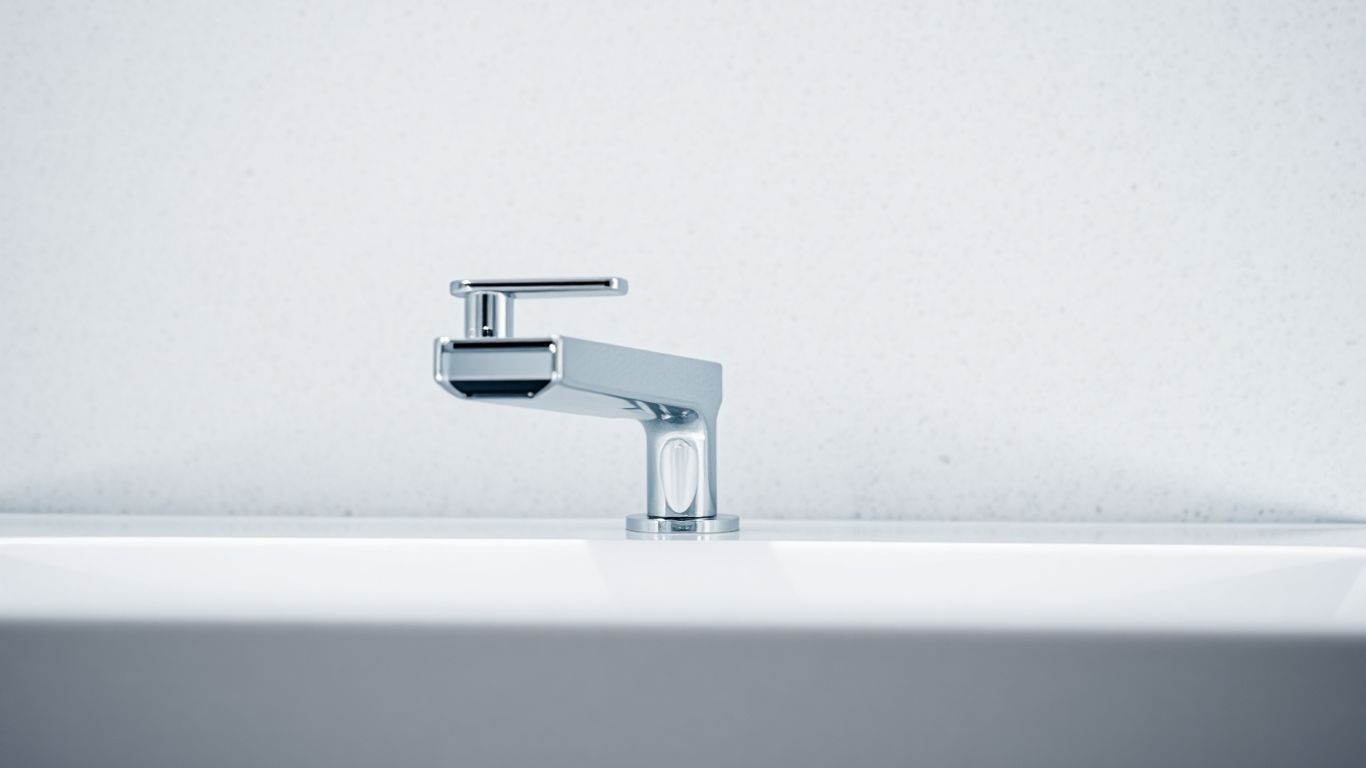
When we talk about contemporary basin taps, we're really looking at what's current and trending right now, and likely will be for the next few years. These aren't your grandma's taps; they're sleek, often minimalist, and designed to be a statement piece in your bathroom. Think clean lines, geometric shapes, and a focus on form as much as function. The goal is to create a cohesive look that feels fresh and modern.
What makes a tap 'contemporary'? It's a mix of things:
- Minimalist Aesthetics: Less is more. You'll see fewer ornate details and more smooth surfaces.
- Innovative Materials & Finishes: Beyond chrome, expect to see matte black, brushed nickel, and even unique color options.
- Smart Integration: Some contemporary taps are starting to incorporate smart features, though this is still a developing area.
- Unique Silhouettes: Taps might have unusual curves, sharp angles, or a very low profile.
It's all about creating a bathroom that feels current and stylish. These designs often pair well with other modern fixtures and a neutral color palette, but they can also add a striking contrast to more traditional settings. If you're aiming for a bathroom that feels like it belongs in a design magazine, contemporary taps are definitely the way to go. They really are a focal point in bathroom design these days, with innovative styles that prioritize both looks and sustainability. You can find some really interesting wash basin designs that complement these taps perfectly.
11. Modern Look Taps
When you're aiming for a bathroom that feels current and fresh, modern look taps are definitely the way to go. These aren't your grandma's fussy fixtures; they're all about clean lines, simple shapes, and a generally minimalist vibe. Think sleek curves or sharp, geometric angles – whatever fits your specific modern aesthetic.
The beauty of modern taps lies in their understated elegance and how they blend functionality with a streamlined appearance. They often come in finishes like polished chrome, brushed nickel, or matte black, which really complement contemporary bathroom designs. You'll find they often pair well with other modern elements, like floating vanities or large format tiles.
Here are a few things that make a tap distinctly modern:
- Minimalist Design: Less is more. Expect simple silhouettes without excessive ornamentation.
- Geometric Shapes: Many modern taps feature sharp angles or smooth, cylindrical forms.
- Sleek Finishes: Polished chrome, matte black, and brushed nickel are common choices that enhance the contemporary feel.
- Integrated Features: Sometimes, controls are built right into the tap body for an even cleaner look.
Choosing a modern tap is a great way to update your bathroom's style. It's about creating a space that feels uncluttered and sophisticated, where every element serves a purpose and looks good doing it. They're designed to be practical for daily use, often featuring single-lever controls for easy temperature and flow adjustment, which adds to their user-friendly appeal.
12. Traditional Taps
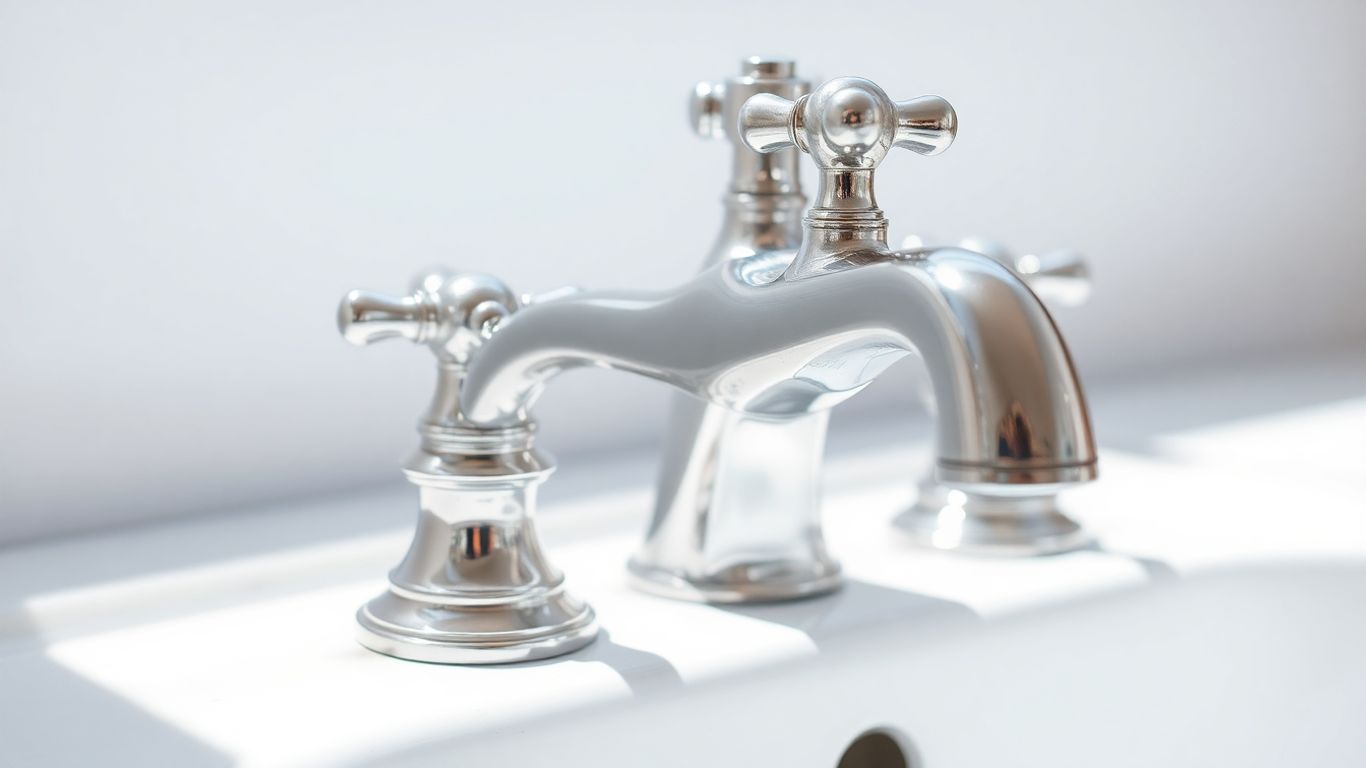
When you think of classic bathrooms, you probably picture traditional taps. These are the kinds of fixtures that have a certain timeless charm, often seen in older homes or in designs aiming for a vintage feel. They usually come as a pair, with separate handles for hot and cold water, giving you that old-school aesthetic.
These taps are all about that classic look and feel. They typically feature separate spouts for hot and cold water, or sometimes a central spout with two distinct handles. This design choice allows for very precise control over water temperature, which some people really appreciate. If you're going for a period look, like Victorian or Edwardian, these are definitely the way to go.
Here's a quick rundown of what makes them tick:
- Separate Controls: You get one handle for hot and another for cold. This means you can get exactly the temperature you want, but it takes a little more effort than a single lever.
- Aesthetic Appeal: They often have ornate details, cross handles, or lever handles that just scream 'classic'. Think polished brass or even porcelain accents.
- Installation: Usually, they require two holes in the sink or countertop, one for each handle (and sometimes a third for the spout if it's a three-piece set).
While they look great and offer fine-tuned temperature control, traditional taps might not be the most practical choice for busy households with young children. The need to adjust two separate handles can be a bit fiddly, and there's no built-in anti-scald feature like you might find on some modern mixers.
If you're restoring an older bathroom or just love that vintage vibe, traditional taps are a fantastic way to complete the look. They might take a moment longer to get the water just right, but for many, that's part of their charm.
13. Transitional Taps
Transitional taps are kind of like the "best of both worlds" option when it comes to bathroom fixtures. They manage to blend the clean lines and simple forms you see in modern designs with the more ornate details and classic feel of traditional styles. So, if you're not quite sure if you want your bathroom to lean more contemporary or more vintage, transitional taps are a really solid choice.
They offer a balanced aesthetic that can fit into a lot of different bathroom decors. Think of them as the chameleon of the tap world. You get the functionality and ease of use that people expect today, but with a look that doesn't feel too stark or too fussy.
What makes them work so well is their ability to bridge different design eras. They often feature softer curves than ultra-modern taps but are less elaborate than something you'd find in a Victorian-era home. This makes them super versatile.
Here's a quick rundown of what you might find in transitional taps:
- Handles: You'll often see lever handles, but they might have a slightly more rounded or decorative base compared to a purely modern tap. Sometimes you'll find dual handles too, offering that classic separation of hot and cold.
- Spout: The spout might have a gentle arc or a slightly more squared-off look, again, avoiding extremes.
- Finishes: They come in a wide range of finishes, from polished chrome and brushed nickel to matte black and even some warmer tones like brushed brass. This adaptability in finish really helps them blend in.
When you're looking for taps that can adapt to your evolving style or a bathroom that needs to feel both current and comfortable, transitional designs are definitely worth a look. They're a safe bet for a timeless look that still feels fresh. If you're thinking about a widespread faucet, transitional styles are a great way to go for a balanced bathroom aesthetic.
Choosing transitional taps means you're opting for a style that won't go out of fashion quickly. They're designed to be enduring, fitting in whether your overall bathroom leans a bit more modern or a bit more classic. It's a smart way to invest in a look that has staying power.
14. Polished Chrome
Polished chrome is a classic for a reason. It's that shiny, reflective finish that just screams 'clean' and 'modern'. You see it everywhere, and for good reason. It's pretty tough, resists rust, and generally holds up well to daily use, which is a big plus when you think about how much you actually use your taps.
This finish is super versatile and tends to look good in pretty much any bathroom or kitchen setting. Whether your style is super contemporary or leans a bit more traditional, polished chrome usually fits right in without causing any design headaches. It's also really easy to find, so you've got tons of options when you're shopping around.
Here's a quick rundown of why it's a popular choice:
- Durability: It's pretty resistant to corrosion and tarnishing, meaning it won't get all dull or spotty easily.
- Easy to Clean: Most of the time, a quick wipe with a damp cloth is all it takes to get it looking good as new. For tougher spots, a little mild soap or vinegar solution usually does the trick.
- Reflectivity: That mirror-like shine can actually make your space feel a bit brighter and more open, which is always a nice bonus.
- Affordability: Compared to some of the fancier finishes out there, polished chrome is often more budget-friendly, giving you good value for your money.
While polished chrome is a go-to for many, it does show water spots and fingerprints more readily than some matte or brushed finishes. Regular wiping is key to keeping that showroom shine.
When you're picking out a new tap, think about how it's going to look with the rest of your fixtures. Polished chrome pairs well with stainless steel appliances and other chrome accessories, creating a cohesive look. It's a safe bet, but a really good one if you want something that looks sharp and lasts.
15. Aged Brass
Aged brass taps bring a warm, vintage feel to any bathroom or kitchen. They have this lovely, muted tone that just screams character, unlike the bright shine of polished brass. This finish is fantastic for creating a look that feels both established and sophisticated. It’s a great choice if you’re going for a more traditional aesthetic or want to add a touch of old-world charm to a modern space.
When you're thinking about aged brass, consider how it pairs with other elements in your room. It looks particularly good with natural materials like wood and stone. It can also provide a nice contrast against darker colors, making them pop. Plus, aged brass is pretty forgiving when it comes to water spots and fingerprints, which is a definite plus for busy households.
Here are a few things to keep in mind with aged brass:
- Durability: Brass itself is a strong metal, and aged brass finishes are typically applied over a solid brass base, making them quite robust. Brass bathroom faucets provide enduring style and are known for their longevity.
- Maintenance: While it doesn't need constant polishing like some other finishes, a gentle wipe-down with a soft cloth is usually all that's needed to keep it looking its best. Avoid abrasive cleaners, as they can damage the aged patina.
- Style Versatility: Don't think it's only for old-fashioned bathrooms. It can add a unique twist to contemporary designs, offering a softer alternative to chrome or black.
Choosing an aged brass faucet means you're opting for a finish that develops its own unique character over time. It’s a material that ages gracefully, becoming even more appealing with age, much like a fine wine or a well-loved piece of furniture. This evolving aesthetic is part of its charm.
If you're looking for a faucet that offers both visual warmth and lasting quality, aged brass is definitely worth a closer look. It’s a finish that truly stands the test of time, adding a touch of understated elegance to your home.
16. Matte Black
Matte black faucets have really taken off, and honestly, it's easy to see why. They bring a modern, sophisticated vibe to any bathroom or kitchen without being too flashy. It's a finish that manages to be both bold and understated at the same time.
One of the best things about matte black is how well it hides water spots and fingerprints. Compared to polished chrome, which shows every little smudge, matte black stays looking cleaner for longer. This makes it a super practical choice, especially if you have a busy household or just don't want to be constantly wiping down your fixtures.
When it comes to durability, good quality matte black finishes are usually quite tough. They often have a powder coating or a similar treatment that holds up well against daily use. Just be mindful that while they resist smudges, very abrasive cleaners could potentially scratch the finish, so it's best to stick to gentle cleaning methods.
Here's a quick look at what makes matte black a great option:
- Aesthetic Appeal: Offers a sleek, contemporary look that complements a wide range of decor styles, from minimalist to industrial.
- Low Maintenance: Significantly reduces the visibility of water spots and fingerprints, keeping your fixtures looking sharp.
- Durability: High-quality finishes are resistant to wear and tear, providing a long-lasting appearance.
- Versatility: Pairs well with various countertop and cabinet colors, allowing for creative design choices.
Choosing a matte black faucet means you're opting for a finish that's both stylish and practical. It's a great way to add a touch of modern elegance to your space without demanding constant upkeep. Think of it as the little black dress of faucet finishes – always in style and always looking good.
17. Brushed Nickel
Brushed nickel is a really popular choice for basin taps, and for good reason. It’s got this nice, soft, matte look that’s not too shiny but still feels a bit fancy. It’s one of those finishes that just seems to work with pretty much any bathroom style, whether you’re going for something modern or a bit more traditional. Plus, it’s pretty good at hiding fingerprints and water spots, which is a big win if you’re not constantly wiping down your fixtures.
When you’re looking at brushed nickel taps, you’ll notice they often have a really clean, simple design. They tend to be quite durable too, which is important because, let’s face it, faucets get used a lot. You don’t want something that’s going to start looking worn out after a year or two. Think about how much you use your sink every day – for washing hands, brushing teeth, filling up water bottles. A good quality faucet in a finish like brushed nickel can really stand up to that daily grind.
Here’s a quick rundown of why people like it:
- Subtle Elegance: It offers a sophisticated look without being overly flashy.
- Fingerprint Resistant: Much better than polished chrome for keeping that clean appearance.
- Versatile Style: Pairs well with a wide range of bathroom decor.
- Durability: Generally holds up well against daily wear and tear.
Choosing a finish like brushed nickel is a smart move for a bathroom that sees a lot of action. It balances aesthetics with practicality, meaning you get a faucet that looks good and performs reliably over time. It’s a solid choice that doesn’t demand constant attention to keep it looking its best.
If you're looking for a faucet that's both stylish and built to last, brushed nickel is definitely worth considering. It’s a finish that’s been around for a while, and it’s not going anywhere soon. Brands like Delta Faucet offer great options in this finish, known for their quality and design. You can find some excellent examples when you look at the Delta Faucet Nicoli Widespread Bathroom Faucet for instance, which showcases how well this finish can be integrated into a well-designed fixture.
18. Stainless Steel
Stainless steel taps are a solid choice for pretty much any kitchen or bathroom. They're known for being tough and not really showing wear and tear easily. This material is a great all-rounder, balancing looks with practicality. You won't have to worry too much about rust or corrosion, which is a big plus, especially if you're in an area with hard water. Plus, they tend to have a clean, modern look that fits in with a lot of different decor styles.
When you're looking at stainless steel taps, keep a few things in mind:
- Durability: Stainless steel is inherently strong and resistant to damage. It's a good pick if you've got a busy household.
- Maintenance: Generally, they're easy to clean. A simple wipe-down usually does the trick to keep them looking good.
- Finish Options: While often seen with a brushed or polished look, you can find stainless steel taps in various finishes that can match other fixtures in your space.
- Hygiene: Stainless steel is non-porous, which makes it a more hygienic option as it doesn't harbor as many germs.
Choosing stainless steel means you're likely getting a tap that will last a long time without a lot of fuss. It's a material that holds up well to daily use and doesn't demand constant attention to keep it looking its best. It's a sensible pick for many homeowners.
Think about how you use your sink. If you're constantly washing big items or have kids who might be a bit rough, the resilience of stainless steel is a real benefit. It's not the flashiest material out there, but its reliability and straightforward good looks make it a popular and sensible option for many.
19. Brass
When you're looking at basin taps, brass is a material that really stands out. It's been a go-to for faucets for ages, and for good reason. Brass taps are known for their durability and resistance to corrosion, which means they can last a really long time, even in a busy bathroom.
Brass comes in a few different forms. You've got solid brass, which is the most robust and long-lasting option. Then there's brass that's been plated with other finishes, like chrome or nickel, to give it a different look or extra protection. The natural color of brass is a warm, golden hue, but it can also be treated to achieve different looks, from a bright, polished gold to a more muted, antique finish.
Here's a quick rundown of why brass is a solid choice:
- Longevity: Brass doesn't easily corrode, so your tap is less likely to develop rust or leaks over time.
- Weight and Feel: Solid brass taps have a satisfying heft to them, which often signals good quality.
- Versatility: While it has a classic look, brass can be finished in many ways to fit modern or traditional bathroom styles.
- Antimicrobial Properties: Brass naturally inhibits the growth of bacteria, which is a nice bonus for a bathroom fixture.
Keep in mind that while brass is tough, the finish on top can still be scratched or tarnished if not cared for properly. Regular cleaning with mild soap and water is usually best, avoiding harsh chemicals that could damage the surface.
If you're going for a vintage vibe or just want a tap that feels substantial and built to last, brass is definitely worth considering. It adds a touch of classic elegance that doesn't really go out of style.
20. High Water Pressure Taps
If your home has good water pressure, you've got a lot of tap options. Most taps will work just fine, so you can focus more on style and features. High pressure means you'll get a strong, consistent flow from your faucet, which is great for filling up the sink quickly or just enjoying a good rinse.
This means you can really pick the tap that looks best and works best for your bathroom's design without worrying too much about performance.
Here's what to keep in mind:
- Flow Rate: Even with high pressure, some taps are designed to use less water. Look at the flow rate (often measured in gallons per minute or liters per minute) if water conservation is important to you.
- Aerators: Most taps have aerators that mix air with water. This can make the stream feel softer and fuller, even with strong pressure, and it also helps save water.
- Durability: With higher pressure, make sure the tap is built well. Look for solid materials like brass or stainless steel that can handle the constant flow without wearing out quickly.
When you have high water pressure, you don't need to look for special features to boost the flow. Instead, you can focus on the tap's design, how easy it is to use, and its overall build quality to make sure it lasts and looks good in your bathroom.
Basically, if your water comes out of the showerhead with a good kick, you're in a good spot to choose almost any tap you like the look of.
21. Low Water Pressure Taps
If your home has low water pressure, you know the struggle. That disappointing trickle from the faucet when you really need a decent flow can be frustrating. Choosing the right tap is key to making the most of what you have. Standard taps often just don't cut it in these situations, leaving you with a weak stream that's barely functional.
Low-pressure taps are designed differently. They usually have wider internal waterways or special aerators that help to mix air with the water. This clever trick boosts the apparent pressure and volume of the water coming out, even when the actual pressure from your pipes is low. It's not magic, just smart engineering.
When you're shopping, look for taps specifically labeled as "suitable for low-pressure systems." Sometimes, you'll see a bar rating, like 0.1–0.3 bar. This tells you the minimum pressure the tap needs to work well. If you're unsure about your home's water pressure, it's a good idea to have a plumber check it before you buy. They can give you a precise reading, saving you the headache of picking a tap that won't perform.
Here are a few things to keep in mind:
- Aerators: These are small attachments at the end of the spout. They mix air into the water stream, making it feel stronger and fuller.
- Internal Design: Taps made for low pressure often have larger internal channels to let more water pass through.
- Flow Rate: Look for taps that are designed to provide a good flow even at lower pressures. Some might have a slightly higher flow rate specification, but it's how they perform at low pressure that matters.
Don't just assume any tap will work. A tap that requires higher pressure than your system can provide will result in a weak, annoying dribble. It's worth the extra effort to find one that's built for your home's specific needs.
22. Touchless Technology
You know those taps in public restrooms where you just wave your hand and the water starts? You can totally get those for your own bathroom now. They're called touchless or infrared taps, and they're pretty neat. Basically, a little sensor detects when your hands are under the spout, and the water turns on. When you move your hands away, it shuts off automatically.
This hands-free operation is a big win for hygiene, especially if your hands are messy from cooking or gardening. No more touching germy handles! Plus, it can help save water because the water only runs when you actually need it. Some of the fancier models even let you adjust how sensitive the sensor is, so your cat doesn't accidentally turn it on when it jumps on the counter.
Here's a quick rundown of what to expect:
- Hygiene Boost: Reduces the spread of germs.
- Water Savings: Water only runs when hands are detected.
- Convenience: Great for when your hands are full or dirty.
- Modern Look: Adds a sleek, contemporary feel to your bathroom.
Of course, there are a couple of things to keep in mind. You usually can't control the temperature on the fly with these; it's often preset. And you'll need to either hardwire them or make sure the batteries are changed regularly. They can also be a bit pricier upfront compared to regular taps, but for many people, the convenience and cleanliness are well worth the investment. If you're looking for a top-notch touchless kitchen faucet, the Moen Haelyn Touchless gets a lot of praise.
While the initial cost might seem a bit high, the long-term benefits of touchless technology, like improved hygiene and potential water savings, make them a smart choice for many households. They really do make a difference in daily routines.
These taps are a fantastic addition to busy family bathrooms or for anyone who appreciates a bit of modern tech that actually makes life easier.
23. Single-Handle Taps
Single-handle taps are a really popular choice for bathrooms these days, and it's easy to see why. They've got this one lever that controls both the water flow and the temperature. You just move it up and down for flow, and side to side for hot or cold. It makes adjusting the water super quick and simple.
This makes them a great option for pretty much everyone, including kids and folks who might have a bit of trouble with their hands. They're also pretty straightforward to install, especially if you're just swapping out an old tap for a new one that fits the same spot. Most single-handle taps are designed to fit into a single hole in your sink or countertop, which keeps things looking neat and tidy.
Here's a quick rundown of why people like them:
- Ease of Use: One lever means less fiddling around to get the water just right.
- Streamlined Look: They contribute to a cleaner, more modern aesthetic in the bathroom.
- Accessibility: Good for people with limited hand strength or mobility issues.
- Cost-Effective: Generally, they're quite affordable compared to some other types.
While they're fantastic for most standard sinks, keep in mind that single-handle taps are typically designed for basins with only one pre-drilled hole. If your sink has multiple holes, you might need a special plate to cover the extra ones or consider a different tap style altogether. They also might not be the best fit for very deep vessel sinks where you might want more precise control over a wider range of motion.
When you're looking at single-handle taps, you'll find a bunch of different finishes, from shiny chrome to matte black, so you can match them to your bathroom's style. They're a solid, no-fuss choice that balances looks and function really well.
24. Dual-Handle Taps
Dual-handle taps, also known as two-handle taps, are a classic choice for many bathrooms and kitchens. They feature separate controls for hot and cold water, giving you precise command over the temperature. This design is often favored by those who appreciate a more traditional look or need finer control over water temperature, perhaps for sensitive tasks like washing delicate fabrics or preparing baby formula.
These taps typically require three holes in the sink or countertop: one for the spout and one for each handle. While this might seem like more installation work compared to a single-handle faucet, it offers a distinct advantage in temperature management. You can easily adjust the mix of hot and cold water to your exact preference, which can be a real plus.
Here's a quick look at why you might choose dual-handle taps:
- Precise Temperature Control: Fine-tune your water temperature with separate hot and cold handles.
- Classic Aesthetics: Often associated with traditional and vintage bathroom styles.
- Independent Flow: Control hot and cold water flow separately, which can be useful for specific tasks.
- Durability: Many dual-handle designs are built with robust materials for long-lasting use.
While single-handle taps are popular for their simplicity, dual-handle faucets offer a different kind of user experience. They can be a great option if you're looking to maintain a certain style in your bathroom or if you simply prefer the tactile feedback of two separate handles. They are a common feature on many mixer taps and can be found in a wide range of finishes to match your decor.
When considering dual-handle taps, think about the number of holes your basin has. If you have a three-hole setup, these taps are a natural fit. If you only have one hole, you might need to look at a different style or consider a deck plate to cover the extra holes.
25. Pull-Out Taps and more
When you're looking for a tap that offers a bit more flexibility, pull-out and pull-down styles really shine. These aren't just for show; they're genuinely practical, especially if you've got a busy kitchen or a deep sink. The idea is simple: the spout pulls out or down on a flexible hose, giving you a much longer reach. This makes rinsing big pots, cleaning the sink itself, or even washing a pet a whole lot easier.
Think about it – no more awkward stretching or splashing water everywhere when you're trying to get that last bit of food off a large pan. It's a game-changer for everyday chores.
Beyond pull-out and pull-down, there are other specialized taps worth mentioning:
- Touchless or Infrared Taps: These are the ones you see in public restrooms where you just wave your hand. They use sensors to turn the water on and off, which is great for hygiene and convenience when your hands are messy. You don't have to touch anything, which is a nice bonus.
- Tall or High-Rise Taps: These are designed specifically for vessel sinks that sit on top of your counter. They're taller than standard taps, giving you enough clearance to get your hands under the water stream comfortably.
- Small or Cloakroom Taps: Perfect for those tiny powder rooms or under-stair bathrooms, these taps are compact and designed for tight spaces. They're usually single-hole and just the right size for a quick hand wash.
Choosing a tap isn't just about looks. It's about how you actually use your sink day in and day out. A pull-out tap might seem like a small upgrade, but it can make a big difference in how smoothly your kitchen tasks flow. Consider your daily routine and what would genuinely make things easier.
While pull-out taps are fantastic for functionality, remember to check the hose length and the retraction mechanism. You want something that feels sturdy and pulls back into place smoothly every time. It’s these little details that make a tap a joy to use, rather than a frustration.
Wrapping It Up
So, picking out the right basin tap might seem like a big deal, but really, it's about finding what works best for your bathroom and your life. We've looked at different styles, how water pressure plays a part, and what makes a tap easy to use. Don't forget to think about the finish and how it'll hold up over time. Whether you're going for a sleek modern look or something more classic, there's a tap out there that fits. Taking a little time to figure out your needs now means you'll have a tap you're happy with for years to come. Happy renovating!
Frequently Asked Questions
What's the difference between single taps and mixer taps?
Single taps, often called monobloc taps, have one hole in the sink and one handle or knob to control both hot and cold water. Mixer taps can be single-handle or dual-handle and mix hot and cold water to give you the perfect temperature. They are super common and easy to use for everyday tasks like washing hands.
Do I need to worry about my home's water pressure when buying a tap?
Yes, definitely! If your home has low water pressure, you'll need a special tap designed for it, often called a low-pressure tap. These taps have wider pipes or special parts to make sure you still get a good flow of water. If you pick a tap that needs high pressure and you don't have it, you'll only get a weak trickle.
What are the benefits of touchless or infrared taps?
Touchless taps, like infrared ones, are really hygienic because you don't have to touch them to turn the water on or off. This means fewer germs! They also help save water because they turn off automatically. Some even have a set temperature to prevent scalding, which is great for kids.
How do I know if a tap will fit my sink?
Most basin taps use a standard 1/2-inch pipe to connect to your water supply, so the plumbing connection is usually the same. However, you need to check how many holes your sink has and how far apart they are. You'll want to make sure the new tap matches the number and spacing of those holes. If you're changing from a two-hole tap to a single-hole tap, you might need a special plate to cover the extra hole.
Are there taps that are easier to use for people with hand problems?
Absolutely! Taps with a single lever or handle are much easier to operate than traditional two-handle pillar taps, especially for people who have trouble gripping or turning knobs. Infrared or touchless taps are also super easy to use since they turn on automatically.
What are the most popular finishes for basin taps?
You'll see a lot of taps in polished chrome because it looks shiny and modern. Matte black is also very popular for a sleek look. Brushed nickel and aged brass offer a softer, more classic or vintage feel. Stainless steel is a durable and practical choice. You can even mix and match finishes to create a unique style in your bathroom!

